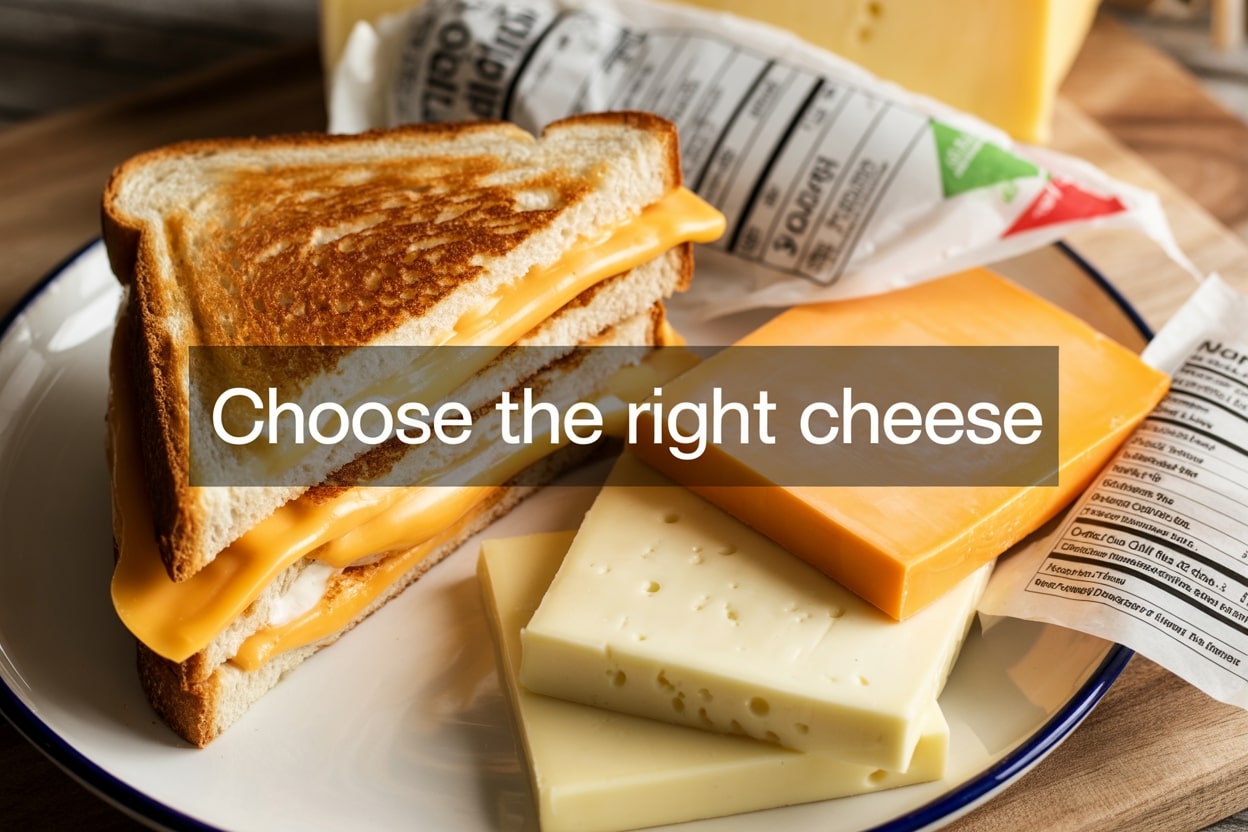
Making the perfect grilled cheese sandwich starts with understanding what’s actually in your cheese. For home cooks, parents, and anyone watching their nutrition, grilled cheese nutritional information helps you pick cheeses that taste great and fit your health goals.
Different cheeses bring vastly different nutritional profiles to your sandwich. String cheese nutritional info shows lower calories and fat compared to aged cheddars, while kraft string cheese nutritional info reveals different protein levels than artisanal options. Smart cheese selection can turn your comfort food into a more balanced meal.
We’ll break down the key nutritional components that matter most in grilled cheese sandwiches and compare popular cheese options like mozzarella string cheese nutritional info versus traditional melting cheeses. You’ll also learn how to read cheese nutrition labels like a pro and discover simple tricks for creating healthier grilled cheese combinations without sacrificing that perfect melt.
Key Nutritional Components in Grilled Cheese

Protein content and quality differences across cheese varieties
The protein content in cheese can make or break your grilled cheese nutritional information goals. Different cheese types pack varying amounts of this essential macronutrient, and understanding these differences helps you build a more satisfying sandwich.
Hard cheeses like aged cheddar and Swiss typically deliver 6-8 grams of protein per ounce, while softer options like brie contain around 4-6 grams. When examining string cheese nutritional info, mozzarella varieties usually provide about 6-7 grams per stick. This protein quality matters because cheese contains all nine essential amino acids your body needs.
The aging process affects protein concentration too. Aged cheeses lose moisture over time, concentrating their protein content per serving. Fresh mozzarella contains more water than aged varieties, resulting in slightly lower protein density despite similar nutritional profiles.
Fat levels and their impact on taste and health
Fat content dramatically influences both the melting quality and nutritional profile of your grilled cheese sandwich. Full-fat cheeses typically contain 8-9 grams of fat per ounce, while reduced-fat versions drop to 4-6 grams.
These fat levels directly affect taste and texture. Higher fat content creates that coveted stretchy, gooey melt we love in grilled cheese. The fat also carries flavor compounds, making full-fat cheeses taste richer and more complex.
| Cheese Type | Fat Content (per oz) | Melting Quality |
|---|---|---|
| Full-fat Cheddar | 9g | Excellent |
| Part-skim Mozzarella | 5g | Good |
| Reduced-fat Swiss | 4g | Fair |
Saturated fat makes up about 60% of total fat in most cheeses. While this raises health considerations, moderate consumption as part of a balanced diet remains acceptable for most people.
Calcium and vitamin content for bone health benefits
Cheese stands out as one of the best dietary calcium sources available. Most varieties provide 200-300mg of calcium per ounce, representing 20-30% of daily recommended intake. This mineral density makes grilled cheese an unexpectedly beneficial choice for bone health.
Vitamin content varies significantly between cheese types. Aged cheeses often contain higher concentrations of vitamin K2, which works alongside calcium to support bone formation. Many fortified varieties include vitamin D, enhancing calcium absorption.
When checking kraft string cheese nutritional info or similar products, you’ll notice manufacturers often fortify their products with additional vitamins. These additions can boost the nutritional value beyond what natural cheese provides.
B-vitamins, particularly B12 and riboflavin, appear naturally in most cheeses. These support energy metabolism and nervous system function, adding another nutritional dimension to your sandwich choice.
Sodium levels and their effect on daily intake limits
Sodium content represents the biggest nutritional concern when choosing cheese for grilled cheese sandwiches. Most cheeses contain 150-300mg of sodium per ounce, with processed varieties often hitting the higher end of this range.
This sodium level can quickly add up. A typical grilled cheese sandwich using 2 ounces of cheese provides 300-600mg of sodium before counting bread, butter, or other ingredients. For context, daily sodium recommendations cap at 2,300mg for most adults.
Processed cheese products like American cheese slices often contain significantly more sodium than natural varieties. When reviewing sargento string cheese nutritional info or frigo string cheese nutritional info, you’ll notice these convenience products typically range from 140-220mg sodium per serving.
Fresh cheeses like mozzarella and ricotta generally contain less sodium than aged varieties. The aging process often involves salt, which concentrates over time and increases overall sodium content.
Comparing Popular Cheese Options for Grilled Cheese Sandwiches

Cheddar Cheese Nutritional Profile and Melting Characteristics
Cheddar stands as the gold standard for grilled cheese sandwiches, delivering rich flavor alongside solid nutritional benefits. A typical 1-ounce serving contains approximately 113 calories, 7 grams of protein, and 9 grams of fat. The protein content makes cheddar an excellent choice for maintaining muscle mass, while its calcium levels support bone health with about 20% of your daily needs per serving.
Sharp cheddar varieties offer more intense flavor, meaning you can use less cheese while still achieving satisfying taste. This approach helps control calories without sacrificing the grilled cheese experience. The aging process in sharp cheddars also reduces lactose content, making it easier to digest for some people.
When it comes to melting, cheddar’s fat content creates that perfect creamy texture we crave. Medium and mild cheddars melt more smoothly than extra sharp varieties, which can become slightly grainy due to their lower moisture content. For optimal melting, choose cheddar with good moisture balance and avoid pre-shredded versions that contain anti-caking agents.
American Cheese Processed Ingredients and Convenience Factors
American cheese gets mixed reviews from health enthusiasts, but understanding its grilled cheese nutritional information reveals both drawbacks and benefits. Each slice typically contains 60-80 calories, 4-5 grams of protein, and 5-6 grams of fat. While processed, American cheese often contains added vitamin D and calcium, making it surprisingly nutritious in some aspects.
The processing involves emulsifiers like sodium phosphate, which help create that signature smooth melt. These additives also extend shelf life and ensure consistent texture. While some view these ingredients negatively, they serve practical purposes for busy households seeking convenient meal options.
American cheese melts at lower temperatures than natural cheeses, creating incredibly smooth, creamy results every time. This reliability makes it perfect for beginners or anyone wanting foolproof melting. The uniform moisture content eliminates the guesswork involved with natural cheeses that can vary batch to batch.
For families prioritizing convenience, American cheese offers consistent results with minimal effort. Its longer shelf life reduces food waste, and its predictable melting behavior works well for meal planning and batch cooking.
Swiss Cheese Lower Sodium Benefits and Distinctive Flavor
Swiss cheese brings unique advantages to grilled cheese sandwiches, particularly for those monitoring sodium intake. Most Swiss varieties contain 30-40% less sodium than cheddar or American cheese, with about 54mg per ounce compared to cheddar’s 176mg. This makes Swiss an excellent choice for people managing blood pressure or following low-sodium diets.
The distinctive nutty, slightly sweet flavor of Swiss cheese adds complexity to grilled cheese sandwiches without requiring additional seasonings. This natural flavor enhancement means you can create satisfying sandwiches while keeping sodium levels in check.
Nutritionally, Swiss cheese provides excellent protein content at about 8 grams per ounce, slightly higher than many other options. It’s also rich in phosphorus and provides good amounts of vitamin B12, supporting nerve function and energy metabolism.
The characteristic holes in Swiss cheese affect its melting properties in interesting ways. These air pockets help the cheese melt more evenly and create pockets of molten cheese that enhance texture. Baby Swiss varieties melt more smoothly than aged Swiss, making them better choices for grilled cheese applications.
Mozzarella Protein Advantages and Stretch Appeal
Mozzarella delivers impressive protein content while keeping calories relatively low, making it appealing for fitness-focused individuals. Part-skim mozzarella contains about 6-7 grams of protein per ounce with only 70-80 calories. This protein-to-calorie ratio surpasses many other cheese options, supporting muscle maintenance and satiety.
The stretch factor of mozzarella creates Instagram-worthy grilled cheese moments, but this characteristic stems from its protein structure. The casein proteins in mozzarella align differently than in aged cheeses, creating those satisfying cheese pulls that make grilled cheese sandwiches so appealing.
Fresh mozzarella contains more moisture than low-moisture varieties, affecting melting behavior significantly. Low-moisture mozzarella works better for grilled cheese, providing good melt without making sandwiches soggy. The reduced water content concentrates flavors and prevents the bread from becoming waterlogged.
Mozzarella string cheese nutritional info shows similar benefits in convenient, portion-controlled servings. These pre-portioned options help manage cheese intake while providing the same protein advantages. Many brands offer string cheese nutrition info that reveals surprisingly clean ingredient lists compared to other processed cheese options.
Gouda and Specialty Cheeses for Gourmet Nutrition Boost
Gouda elevates grilled cheese sandwiches while offering unique nutritional benefits. Young Gouda provides creamy melting properties with about 101 calories and 7 grams of protein per ounce. As Gouda ages, it develops complex flavors and becomes easier to digest due to the breakdown of lactose and proteins during aging.
The aging process in Gouda concentrates nutrients, creating higher levels of vitamin K2, which supports bone and cardiovascular health. This vitamin is relatively rare in foods, making aged Gouda a valuable dietary addition. The smoky varieties add depth without requiring additional ingredients that might increase sodium or calories.
Specialty cheeses like Gruyère, fontina, or aged white cheddar bring gourmet appeal with enhanced nutritional profiles. Gruyère offers excellent melting properties with higher protein content than many common cheeses. Its complex flavor means smaller amounts create satisfying results, helping control overall caloric intake.
These premium options often contain fewer additives and preservatives than mass-market varieties. Artisanal cheese makers typically focus on traditional methods that preserve natural nutrients while avoiding unnecessary chemicals. While more expensive, these cheeses often provide better nutrition density and more satisfying flavors, potentially leading to greater meal satisfaction with smaller portions.
Matching Cheese Selection to Your Dietary Goals

Low-fat cheese options for weight management success
When you’re watching your waistline but still craving that perfect grilled cheese, understanding grilled cheese nutritional information becomes your best friend. Part-skim mozzarella stands out as a champion choice, containing about 80 calories and 6 grams of fat per ounce compared to full-fat varieties that pack 110 calories and 9 grams of fat.
String cheese nutritional info reveals another winning option – most part-skim mozzarella string cheese contains just 70-80 calories per stick. Kraft string cheese nutritional info shows their part-skim variety delivers solid protein while keeping fat content reasonable. Frigo light string cheese nutritional info demonstrates even better numbers, with some varieties offering as little as 50 calories per serving.
Swiss cheese deserves attention too, naturally containing less fat than many alternatives while maintaining that creamy melt perfect for sandwiches. Reduced-fat cheddar varieties have improved dramatically in recent years, now melting beautifully while cutting fat content by 25-30%.
Pro tip: Check nutrition info string cheese labels carefully – some brands add fillers or stabilizers that affect melting quality. For grilled cheese sandwich nutritional information that works with your goals, stick to cheeses with clean ingredient lists and moderate fat content.
High-protein varieties for muscle building and satiety
Protein powerhouse cheeses transform your grilled cheese from simple comfort food into a muscle-building meal. Cottage cheese might seem unconventional, but blended with a small amount of sharp cheddar creates an incredibly protein-rich filling – cottage cheese delivers about 14 grams of protein per half-cup.
Greek yogurt cheese spreads offer another innovative approach, providing up to 20 grams of protein per serving. When mixed with traditional melting cheeses, they boost protein content without sacrificing that gooey texture everyone loves.
Among traditional options, part-skim ricotta shines with 14 grams of protein per half-cup, while low-moisture mozzarella provides about 8 grams per ounce. Sargento string cheese nutritional info shows their whole milk variety delivers 7 grams of protein per stick – perfect for understanding portion control.
| Cheese Type | Protein per Ounce | Best Use |
|---|---|---|
| Cottage cheese | 4g per ounce | Blended base |
| Part-skim ricotta | 3.5g per ounce | Creamy spread |
| Low-fat Swiss | 8g per ounce | Traditional melt |
| Part-skim mozzarella | 7g per ounce | Classic choice |
Combining these high-protein options with whole grain bread creates a satisfying meal that keeps hunger at bay for hours.
Reduced sodium choices for heart-healthy eating
Sodium content varies dramatically between cheese types, making mozzarella string cheese nutritional info particularly valuable for heart-conscious eaters. Fresh mozzarella typically contains 85-100mg of sodium per ounce, significantly less than processed American cheese which can exceed 400mg per slice.
Frigo string cheese nutrition info and galbani string cheese nutrition info both show relatively moderate sodium levels, usually ranging from 150-200mg per stick. These numbers make string cheese varieties excellent benchmarks when planning heart-healthy grilled cheese combinations.
Swiss cheese naturally contains less sodium than many alternatives, averaging about 50-75mg per ounce. Unsalted or low-sodium cottage cheese options provide flexibility for creating custom blends that meet strict dietary requirements.
Smart shopping strategies include:
- Reading labels for “reduced sodium” or “low sodium” certifications
- Choosing fresh over processed cheese varieties
- Comparing frigo string cheese nutritional info with other brands
- Selecting aged cheeses in moderation, as aging concentrates flavors while requiring less salt
When crafting nutritional information grilled cheese sandwich combinations, remember that bread contributes sodium too. Pairing low-sodium cheese with whole grain, low-sodium bread creates the healthiest possible version of this beloved comfort food without sacrificing taste or satisfaction.
Reading and Interpreting Cheese Nutrition Labels Effectively

Serving Size Understanding for Accurate Portion Control
The serving size listed on cheese nutrition labels might surprise you – it’s typically one ounce or about a 1-inch cube, which translates to roughly 1-2 slices for your grilled cheese sandwich. Most people use 2-4 ounces of cheese per sandwich without realizing it, which means you’ll need to multiply those nutritional values accordingly. When examining kraft string cheese nutritional info or sargento string cheese nutritional info, you’ll notice the serving size is usually one stick, making portion control more straightforward than block cheese.
Check the weight of your cheese slices using a kitchen scale for the first few times – this helps you visualize what one ounce actually looks like. Pre-sliced cheese packages often list the weight per slice, making calculations easier for your grilled cheese nutritional information tracking.
Daily Value Percentages and Their Practical Meaning
Daily Value (DV) percentages on cheese labels are based on a 2,000-calorie diet, but your needs might differ significantly. A cheese showing 20% DV for saturated fat means that one serving provides one-fifth of the recommended daily limit. For grilled cheese sandwich nutritional information, this becomes crucial since you’re likely using multiple servings.
Here’s what DV percentages mean in practical terms:
- 5% DV or less: Low amount of that nutrient
- 10-19% DV: Moderate amount
- 20% DV or more: High amount
When comparing frigo string cheese nutritional info to mozzarella string cheese nutritional info, focus on sodium levels – some brands contain 15-20% DV per serving, which adds up quickly in your daily intake.
Hidden Ingredients That Impact Nutritional Quality
Cheese labels contain more than just milk, salt, and cultures. Many commercial cheeses include anti-caking agents, preservatives, and artificial colors that don’t add nutritional value but affect overall health quality. Frigo light string cheese nutritional info often shows modified food starch or cellulose powder as thickening agents to maintain texture while reducing fat content.
Common additives to watch for include:
- Natamycin: A preservative that prevents mold
- Calcium chloride: Helps maintain firmness
- Annatto: Natural coloring that adds orange tint
- Potassium sorbate: Another preservative
These ingredients won’t dramatically change caloric content but might matter if you have sensitivities or prefer minimal processing in your string cheese nutrition info choices.
Organic Versus Conventional Cheese Nutritional Differences
Organic cheese doesn’t automatically mean better nutritional stats – the calorie, protein, and fat content remain similar between organic and conventional options. The real difference lies in production methods and what’s excluded rather than what’s added nutritionally. Organic versions eliminate synthetic hormones, antibiotics, and pesticide residues that conventional dairy might contain.
Galbani string cheese nutrition info for organic varieties typically shows identical macronutrients to conventional versions but commands higher prices for the production standards. The nutritional profile comparison looks like this:
| Nutrient | Organic | Conventional |
|---|---|---|
| Calories | ~80 | ~80 |
| Protein | 6-8g | 6-8g |
| Fat | 6g | 6g |
| Sodium | 200mg | 200mg |
Your choice between organic and conventional should factor in personal values about farming practices rather than expecting significant nutritional differences when planning your nutritional information grilled cheese sandwich meals.
Creating Healthier Grilled Cheese Combinations Using Nutritional Data

Pairing Complementary Cheeses for Balanced Nutrition
Combining different cheeses in your grilled cheese sandwich creates opportunities to balance nutritional profiles while enhancing flavor complexity. Sharp cheddar brings calcium and protein but tends to be higher in sodium, so pairing it with fresh mozzarella helps reduce overall sodium content while adding moisture and stretchy texture. The mozzarella string cheese nutritional info shows lower sodium levels compared to aged cheeses, making it an excellent complement.
Consider mixing cream cheese with harder varieties to create a creamy base while reducing overall fat per serving. Swiss cheese offers selenium and zinc, nutrients often lacking in softer cheeses, while goat cheese provides probiotics that support digestive health. When examining kraft string cheese nutritional info alongside artisanal options, you’ll notice processed cheeses often contain more sodium but may be fortified with additional vitamins.
For those monitoring cholesterol, combining part-skim mozzarella with small amounts of flavorful aged cheese delivers taste satisfaction without excessive saturated fat. The frigo string cheese nutritional info demonstrates how part-skim varieties can cut calories by 20-30% while maintaining protein content. Experiment with ratios – try 70% mild cheese with 30% sharp varieties to control sodium while preserving taste intensity.
Adding Vegetables and Whole Grains for Enhanced Benefits
Vegetables transform grilled cheese from a simple comfort food into a nutrient-dense meal. Spinach adds iron, folate, and vitamin K without significantly altering flavor profiles. Tomatoes contribute lycopene and vitamin C while adding moisture that prevents the sandwich from becoming too dry. Thinly sliced bell peppers provide vitamin A and fiber, creating satisfying crunch and color contrast.
Whole grain breads dramatically improve the nutritional profile by adding fiber, B vitamins, and minerals often stripped from refined flour. Sprouted grain varieties offer enhanced nutrient bioavailability and easier digestion. Sourdough provides prebiotics that support gut health, while seeded breads contribute healthy fats and additional protein.
Caramelized onions add natural sweetness and antioxidants, reducing the need for high-sodium condiments. Mushrooms contribute umami flavor while providing selenium and vitamin D. Avocado slices boost healthy monounsaturated fats and fiber, though they work best when added after grilling to prevent mushiness.
When reviewing sargento string cheese nutritional info for sandwich applications, consider how vegetable additions can offset sodium content naturally. Herbs like basil or oregano provide antioxidants without calories, while roasted red peppers add vitamin C and smoky depth.
Cooking Methods That Preserve Nutritional Value
The cooking method significantly impacts nutritional retention in grilled cheese sandwiches. Low to medium heat prevents protein denaturation and preserves water-soluble vitamins in added vegetables. Using minimal butter or switching to olive oil spray reduces saturated fat while maintaining the golden crust that makes grilled cheese irresistible.
Pan-frying with a lid creates steam that melts cheese evenly without excessive browning that can create harmful compounds. This technique also helps vegetables retain their nutrients better than high-heat methods. Pre-cooking vegetables separately allows you to control their doneness and prevents moisture from making the bread soggy.
Air frying offers a modern alternative that uses significantly less oil while creating excellent texture. The circulating air cooks more evenly, reducing hot spots that can burn cheese and destroy nutrients. Baking multiple sandwiches on a sheet pan works well for meal prep, though the texture differs from traditional pan-frying.
When analyzing frigo light string cheese nutritional info for cooking applications, remember that lower-fat cheeses may not melt as smoothly. Mixing them with small amounts of full-fat cheese creates better texture while maintaining nutritional benefits. Cooking at 300-325°F preserves more nutrients than higher temperatures while still achieving proper melting and browning.

Knowing the nutritional breakdown of different cheeses completely changes how you approach making grilled cheese sandwiches. From cheddar’s higher calcium content to mozzarella’s lower sodium levels, each cheese brings its own nutritional profile that can either support or work against your health goals. Reading nutrition labels becomes your secret weapon for making choices that taste great while keeping you on track with your dietary needs.
The beauty of understanding cheese nutrition lies in the flexibility it gives you. You can create delicious combinations that satisfy your cravings without the guilt, whether you’re watching calories, boosting protein, or managing sodium intake. Start checking those nutrition labels next time you’re at the grocery store – your taste buds and your body will thank you for making more informed choices about this comfort food classic.
FAQs
What nutritional information should I look for when choosing cheese for grilled cheese?
Look at calories per serving, fat content (especially saturated fat), protein levels, sodium amounts, and calcium content. These numbers will help you understand how the cheese fits into your daily nutrition goals and health needs.
Which types of cheese are lowest in calories for grilled cheese sandwiches?
Part-skim mozzarella, reduced-fat cheddar, and Swiss cheese typically have fewer calories than full-fat varieties. Fresh mozzarella and goat cheese are also good lower-calorie options that melt well for grilled cheese.
How much sodium is too much when selecting cheese for grilled cheese?
Most cheeses contain 150-400mg of sodium per ounce. If you’re watching your sodium intake, aim for cheeses with less than 200mg per serving. Fresh cheeses like mozzarella or ricotta usually have less sodium than aged cheeses.
Are there high-protein cheese options that work well for grilled cheese?
Yes, cottage cheese (when blended), part-skim mozzarella, and reduced-fat cheddar offer good protein content while still melting nicely. These typically provide 6-8 grams of protein per ounce compared to 4-6 grams in regular varieties.
What’s the difference in fat content between regular and reduced-fat cheese options?
Regular cheese typically contains 8-9 grams of fat per ounce, while reduced-fat versions have 4-6 grams. Low-fat options may have 2-3 grams per ounce. The texture and melting quality can vary, so you might need to adjust cooking methods.
How does the nutritional value of processed cheese compare to natural cheese?
Processed cheese often has more sodium and additives but may have similar calories and protein. Natural cheeses typically provide more calcium and have fewer preservatives, making them a better choice for overall nutrition.
Can I still make a healthy grilled cheese if I’m watching my cholesterol?
Yes, choose cheeses lower in saturated fat like part-skim mozzarella or reduced-fat options. You can also use plant-based cheese alternatives that contain no cholesterol, though the taste and melting properties will be different.
Which cheeses provide the most calcium for bone health?
Hard cheeses like cheddar, Swiss, and parmesan typically provide the most calcium, with about 200-300mg per ounce. Mozzarella and provolone also offer good calcium content while working well in grilled cheese.
How do I balance taste and nutrition when choosing cheese for grilled cheese?
Mix different cheeses to get both flavor and nutrition benefits. For example, combine a small amount of sharp cheddar for taste with part-skim mozzarella for lower calories, or add a slice of Swiss for extra calcium.
Are there any nutritional benefits specific to certain cheese types for grilled cheese?
Each cheese offers different benefits: Swiss provides high calcium and protein, goat cheese is easier to digest, aged cheddar offers vitamin K2, and mozzarella provides good protein with moderate calories. Choose based on your specific nutritional goals.