Losing weight doesn’t have to mean starving yourself or following extreme diets that leave you feeling deprived. Professional dietician tips for weight loss focus on creating sustainable habits that nourish your body while helping you shed pounds naturally.
This guide is for anyone tired of yo-yo dieting and ready to learn science-backed nutrition strategies that actually work long-term. You’ll find the needed nutritional principles that form the foundation of lasting weight loss, plus learn about the top nutrient-dense foods that can accelerate fat loss without leaving you hungry.
We’ll also cover smart portion control strategies that feel natural rather than restrictive, and reveal the meal planning secrets that make healthy eating effortless. By the end, you’ll have a clear roadmap for avoiding the common nutrition mistakes that derail most weight loss efforts, setting you up for real, sustainable results.
dietician tips for weight loss: Nutritional Principles for Sustainable Weight Loss

Create a caloric deficit without sacrificing needed nutrients.
Creating a caloric deficit forms the foundation of all successful weight loss journeys, but the key lies in doing it smartly. The best nutrition advice for weight loss programs focuses on reducing calories while maintaining nutritional density. Instead of slashing calories drastically, aim for a moderate deficit of 300-500 calories below your maintenance level.
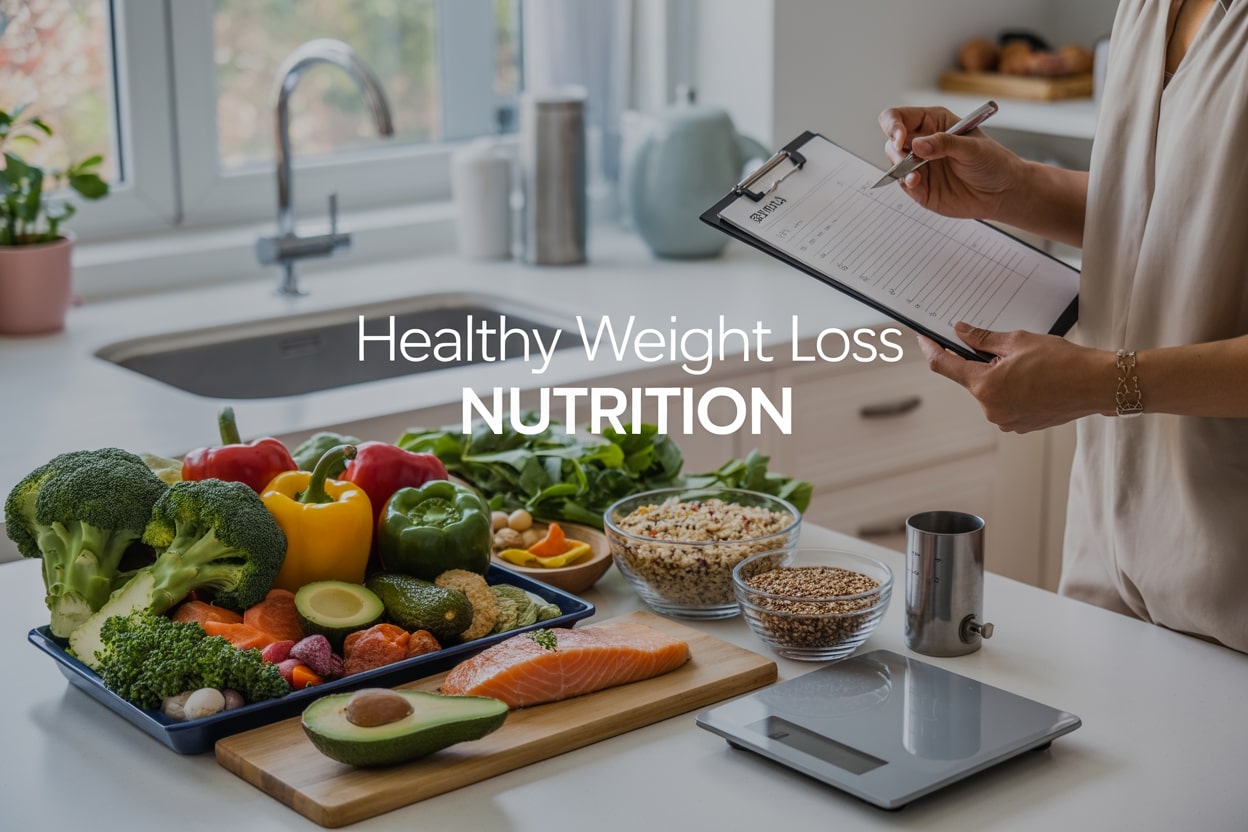
Focus on nutrient-dense foods that deliver the highest vitamins, minerals, and fiber per calorie. Leafy greens, lean proteins, and colorful vegetables should dominate your plate. These foods help you feel satisfied while naturally creating the deficit needed for fat loss.
Dietitian tips for weight loss emphasize eating more, not less – more vegetables, more lean proteins, and more fiber-rich foods. This approach prevents the metabolic slowdown that comes with extreme calorie restriction and helps preserve muscle mass during weight loss.
Balance macronutrients for optimal metabolism and satiety
The magic happens when you balance your macronutrients correctly. Healthy nutrition tips for weight loss recommend allocating 25-35% of calories to protein, 20-35% to healthy fats, and 45-65% to complex carbohydrates.
Protein takes the spotlight because it burns more calories during digestion and keeps you feeling full longer. Include lean sources like chicken breast, fish, legumes, and Greek yogurt in every meal. Healthy fats from avocados, nuts, and olive oil support hormone production and nutrient absorption.
| Macronutrient | Optimal Range | Benefits |
|---|---|---|
| Protein | 25-35% | grow satiety, muscle preservation |
| Healthy Fats | 20-35% | Hormone support, nutrient absorption |
| Complex Carbs | 45-65% | Sustained energy, fiber content |
Complex carbohydrates provide steady energy without blood sugar spikes. Choose whole grains, sweet potatoes, and quinoa over refined options.
Time your meals strategically to boost fat burning
Meal timing can significantly impact your weight loss results. Nutritionist tips for weight loss suggest eating your largest meal when you’re most active and gradually reducing portion sizes throughout the day.
Start with a protein-rich breakfast within an hour of waking to kickstart your metabolism. This prevents afternoon cravings and provides steady energy throughout the morning. Space meals 3-4 hours apart to maintain stable blood sugar levels.
Consider incorporating intermittent fasting if it fits your lifestyle. A 12-16-hour eating window can help fix insulin sensitivity and promote fat oxidation. However, consistency matters more than perfection – find a schedule you can maintain long-term.
Hydrate properly to support metabolic function.
Water plays a really important role in every aspect of weight loss, yet it’s often overlooked in diet tips for weight loss. Proper hydration boosts metabolism by up to 30% and helps your body cleverly burn stored fat.
Drink 16-20 ounces of water upon waking to rehydrate after hours without fluids. Continue sipping throughout the day, aiming for half your body weight in ounces. Cold water requires extra energy to warm up in your body, providing a small metabolic boost.
Pre-meal hydration works particularly well – drinking 16 ounces of water before eating can grow feelings of fullness and naturally reduce calorie intake. Replace sugary drinks with herbal teas, sparkling water with lemon, or infused water for variety without added calories.
Top Nutrient-Dense Foods That Accelerate Fat Loss

Lean proteins that preserve muscle while burning fat
Your body needs protein to maintain muscle mass while creating the calorie deficit needed for weight loss. When you don’t eat enough protein, your body starts breaking down muscle tissue for energy, which slows your metabolism and makes weight loss harder.
Top protein choices include:
- Wild-caught salmon (25g protein per 4oz serving)
- Grass-fed lean beef (26g protein per 4oz serving)
- Free-range chicken breast (24g protein per 4oz serving)
- Eggs (6g protein per large egg)
- Greek yogurt (20g protein per cup)
- Lentils and beans (15-18g protein per cup)
Aim for 0.8-1.2 grams of protein per pound of body weight daily. This makes sure your metabolism stays active while your body burns fat instead of muscle. Protein also has the highest thermic effect of all macronutrients, meaning your body burns more calories digesting it compared to carbs or fats.
Fiber-rich vegetables that keep you full longer
Fiber acts like nature’s appetite suppressant. High-fiber vegetables fill your stomach, slow digestion, and help regulate blood sugar levels – all really important for sustainable weight loss. These nutrient-dense powerhouses are low in calories but high in vitamins and minerals your body needs.
Best fiber-rich vegetables for weight loss:
| Vegetable | Fiber per cup | Calories per cup |
|---|---|---|
| Broccoli | 5g | 25 |
| Brussels sprouts | 4g | 38 |
| Artichokes | 10g | 60 |
| Spinach | 1g | 7 |
| Kale | 1g | 33 |
| Cauliflower | 3g | 25 |
These vegetables also contain water, which adds volume without calories. When you fill half your plate with these foods, you naturally eat fewer calorie-dense options while feeling satisfied.
Healthy fats that support hormone production and satisfaction
Don’t fear fat – your body needs it for hormone production, nutrient absorption, and satiety. The right fats actually help with weight loss by keeping you satisfied longer and supporting metabolic health.
needed healthy fats include:
- Avocados (rich in monounsaturated fats)
- Nuts and seeds (almonds, walnuts, chia seeds)
- Olive oil (extra virgin, cold-pressed)
- Fatty fish (salmon, mackerel, sardines)
- Coconut oil (in moderation)
These fats help produce hormones like leptin, which signal fullness to your brain. Without adequate healthy fats, you’ll feel constantly hungry and struggle with cravings. Include a thumb-sized portion of healthy fats with each meal to get the most out of satisfaction and support your weight loss goals.
Smart Portion Control Strategies That Actually Work

Use visual cues to estimate proper serving sizes.
Your hand is the perfect measuring tool that’s always with you. A palm-sized portion of protein (about 3-4 ounces), a thumb-sized serving of fats, and a cupped handful of carbs work for most people. Think of your fist as the ideal portion for vegetables – you can barely have too many of those. This clear-to-follow dietitian tip for weight loss eliminates the need for constant weighing and measuring while keeping portions reasonable.
Common household items also make great visual guides. A deck of cards equals one serving of meat, while a tennis ball represents a medium piece of fruit. A golf ball shows you what one tablespoon of nut butter looks like, and a computer mouse is roughly the size of a baked potato serving. These visual shortcuts help you make quick decisions when eating out or preparing meals at home.
Practice mindful eating techniques to prevent overeating
Slow down and pay attention to what you’re eating. Put your fork down between bites and chew thoroughly – aim for 20-30 chews per mouthful. This nutrition tip for weight loss gives your brain time to register fullness signals, which typically take 15-20 minutes to kick in. Many people finish entire meals before their bodies even realizes it’s eating.
Create a distraction-free eating environment by turning off screens and sitting at a proper table. Notice the colors, textures, and flavors of your food. Rate your hunger on a scale of 1-10 before eating and check in halfway through your meal. This awareness prevents mindless munching and helps you recognize when you’ve had enough.
Plan and prep meals to avoid impulsive food choices
Sunday meal prep isn’t just trendy – it’s one of the most effective nutrition tips for fat loss. When healthy options are ready to grab, you’re less likely to reach for processed convenience foods. Batch cook proteins like grilled chicken or baked fish, wash and chop vegetables, and portion out snacks into containers.
Keep emergency healthy options stocked: pre-cut vegetables with hummus, hard-boiled eggs, or portioned nuts. Having a plan removes decision fatigue and prevents the 3 PM vending machine run or the drive-through dinner after a long day. Your future self will thank you for thinking ahead.
Choose smaller plates and bowls to naturally reduce portions
The same amount of food looks more satisfying on a smaller plate – it’s basic psychology. Use 9-inch plates instead of 12-inch ones, and choose bowls that hold about one cup rather than oversized cereal bowls. This clear-to-follow swap can reduce your calorie intake by 20-30% without feeling deprived.
Color contrast also matters for portion control. Serve light-colored foods on dark plates and dark foods on light plates to make portions more visible. Avoid transparent dishes when possible, as they don’t provide the same visual boundaries that help signal when you’ve had enough.
Listening to hunger and fullness signals works well.
Your body has built-in portion control mechanisms if you know how to tune in. True hunger develops gradually and can wait, while emotional or habitual eating feels urgent and specific. Physical hunger accepts various food options, but cravings usually demand specific items.
Practice the hunger scale: 1 is starving, 5 is neutral, and 10 is uncomfortably stuffed. Start eating around a 3 and stop at a 7. This dietitian’s advice for weight loss prevents both extreme hunger (which leads to overeating) and eating past satisfaction. Check in with yourself regularly during meals – hunger changes as you eat, and recognizing these shifts helps you stop at the right time.
Meal Planning and Preparation Secrets for Long-Term Success

Design weekly meal plans that fit your lifestyle.
Creating realistic weekly meal plans starts with honestly assessing your schedule and cooking abilities. Look at your calendar and identify your busiest days, then plan clear to follow meals for those times. If you’re constantly rushing on Tuesday evenings, that’s not the day for a complex stir-fry – save it for Sunday when you have more time.
Start small with planning just three to four days ahead if weekly planning feels overwhelming. Many successful dieters begin by planning only dinners, then gradually add breakfast and lunch once the routine feels natural. Keep a rotation of 8-10 go-to meals that you enjoy and know how to prepare well. This prevents decision fatigue while ensuring you always have nutritionist tips for weight loss ready to use.
Consider your family’s preferences and dietary restrictions when planning. A meal plan that works for one person might need adjustments for a household. Build flexibility into your plans by designating one night as “leftovers night” or “easy meal night” when life gets hectic.
Use apps or clear to follow templates to track what works and what doesn’t. After a few weeks, you’ll notice patterns about which meals your family loves and which ones create too much stress. This data helps you refine your approach and develop diet tips for weight loss that actually stick long-term.
Batch cook nutritious ingredients for quick assembly
Batch cooking changes your kitchen; it works fine and makes healthy eating sustainable during busy weeks. Instead of preparing entire meals in advance, focus on cooking versatile ingredients that can be mixed and matched throughout the week.
Dedicate 2-3 hours on weekends to prepare protein sources like grilled chicken breast, baked salmon portions, or cooked lentils and quinoa. These become the foundation for multiple meals. Roast a variety of vegetables – bell peppers, broccoli, sweet potatoes, and zucchini – that can be added to salads, grain bowls, or eaten as sides.
| Batch Cooking Category | Prep Time | Storage Duration |
|---|---|---|
| Proteins (chicken, fish, beans) | 45-60 minutes | 3-4 days |
| Grains (quinoa, brown rice) | 30 minutes | 5-7 days |
| Roasted vegetables | 45 minutes | 4-5 days |
| Chopped raw vegetables | 20 minutes | 3-4 days |
Prepare grab-and-go containers with pre-portioned ingredients. Mason jar salads with dressing on the bottom stay fresh for days. Cook hard-boiled eggs, wash and chop vegetables, and portion out nuts or seeds. These best nutrition tips for weight loss make sure healthy options are always within reach when hunger strikes.
Stock your kitchen with weight-loss-friendly staples.
Your kitchen environment directly impacts your food choices, making strategic stocking needed for weight loss success. Keep your pantry, refrigerator, and freezer filled with nutrient-dense options that support your goals while removing tempting processed foods that sabotage progress.
Pantry needed includes whole grains like oats, quinoa, and brown rice, plus canned beans, lentils, and chickpeas for plant-based protein. Stock healthy fats like olive oil, nuts, seeds, and nut butters. Keep herbs, spices, and low-sodium seasonings to add flavor without calories.
Refrigerator staples should include Greek yogurt, eggs, fresh vegetables, and lean proteins. Pre-washed greens and pre-cut vegetables save time during busy weekdays. Keep fresh herbs like parsley, cilantro, and basil for instant flavor, and add something extra.
Freezer storage extends your options with frozen vegetables, berries, and pre-cooked proteins. Frozen fish fillets, chicken breasts, and plant-based protein options provide backup meals when fresh ingredients run out.
Create designated spaces for healthy snacks at eye level while storing less nutritious options in hard-to-reach places. This clear-to-follow change in organization supports better choices without requiring willpower. Replace sugary drinks with sparkling water, herbal teas, and infused water ingredients like cucumber and mint. These dietitian tips for weight loss create an environment where healthy choices become the obvious choices.
Common Nutrition Mistakes That Sabotage Weight Loss Goals

Eliminate hidden calories from beverages and condiments.
Your morning latte might taste innocent, but those specialty coffee drinks can pack 300-500 calories without you realizing it. The same goes for that “healthy” smoothie from your local juice bar – many contain more sugar than a candy bar. These dietitian tips for weight loss emphasize tracking liquid calories because they don’t trigger the same fullness signals as solid food.
Condiments are another sneaky culprit. That tablespoon of ranch dressing adds 73 calories, while your “light” salad dressing might still contain 45 calories per serving. Ketchup, barbecue sauce, and creamy pasta sauces can quickly turn a healthy meal into a calorie bomb. Start measuring these additions instead of eyeballing them, and you’ll be shocked at how much you were actually using.
Switch to water infused with cucumber, lemon, or mint for flavor without calories. Replace heavy condiments with herbs, spices, vinegar, or mustard. These clear-to-follow swaps can save you 200-400 calories daily without sacrificing taste.
Avoid extreme restrictions that lead to binge eating
Cutting calories too drastically backfires every time. When you drop below 1,200 calories daily, your body thinks it’s starving and fights back with intense cravings and a slower metabolism. This nutrition tip for weight loss approach creates a destructive cycle: restrict severely, then binge uncontrollably, followed by guilt and more restriction.
The “all or nothing” mentality around food groups is equally damaging. Eliminating carbs, fats, or entire food categories makes you crave them intensely. Your willpower eventually breaks, leading to overconsumption of the very foods you tried to avoid.
Instead, aim for a moderate calorie deficit of 300-500 calories below your maintenance level. Include all food groups in reasonable portions. Allow yourself small treats daily rather than saving them for “cheat days” that spiral out of control. This balanced approach prevents the biological and psychological triggers that lead to binge eating.
Stop relying on processed diet foods and supplements.
The diet industry wants you to believe that special bars, shakes, and supplements are the secret to weight loss. These products are expensive, highly processed, and often loaded with artificial ingredients that don’t satisfy your hunger long-term. Many “diet” foods are actually higher in calories than their regular counterparts once you account for serving sizes.
Meal replacement shakes might work temporarily, but they don’t teach you how to make healthy food choices in real-world situations. When you stop using them, the weight returns because you haven’t learned sustainable eating habits. Fat-burning supplements are largely unregulated and rarely deliver the promised results, despite their hefty price tags.
Focus on whole, minimally processed foods instead. A piece of fruit with nuts provides better nutrition and satiety than any protein bar. Home-cooked meals give you complete control over ingredients and portions. These best nutrition tips for weight loss emphasize building skills and habits that last a lifetime, not quick fixes that empty your wallet.
Break the cycle of emotional eating patterns.
Food becomes a coping mechanism when you’re stressed, bored, sad, or celebrating. These emotional triggers often lead to choosing high-calorie comfort foods and eating past the point of physical satisfaction. Recognizing the difference between physical hunger and emotional hunger is really important for long-term weight management.
Physical hunger develops gradually, can be satisfied with various foods, and stops when you’re full. Emotional hunger strikes suddenly, craves specific comfort foods, and continues even after you’re physically satisfied. Many people eat when they’re actually thirsty, tired, or need a break from work.
Create new coping strategies that don’t involve food. Take a 10-minute walk when stressed, call a friend when lonely, or practice deep breathing when anxious. Keep a food and mood journal to identify your personal triggers. Plan satisfying meals and snacks ahead of time so you’re not making food decisions when emotions run high. Building this awareness and coping skills prevents emotional eating from derailing your weight loss progress.

Weight loss doesn’t have to mean starving yourself or following extreme diets that leave you feeling miserable. The real secret lies in knowing basic nutrition principles, choosing foods that nourish your body while promoting fat loss, and developing sustainable habits you can stick with long-term. By focusing on nutrient-dense whole foods, practicing smart portion control, and planning your meals ahead of time, you’re setting yourself up for success rather than another cycle of frustration.
The biggest game-changer is avoiding those sneaky nutrition mistakes that can derail your progress without you even realizing it. Start small by incorporating one or two of these strategies into your routine this week. Your body will thank you for treating it with respect, and you’ll find that healthy weight loss can actually be enjoyable and satisfying when you approach it the right way.
FAQs
What is the best way to start losing weight with healthy eating?
Start by making small changes to your current eating habits. Focus on adding more vegetables to your meals, choosing whole grains over refined ones, and drinking more water. Begin by replacing one unhealthy snack per day with a piece of fruit or some nuts. This gradual approach helps you build lasting habits without feeling overwhelmed.
How much weight can I safely lose per week?
A safe and sustainable weight loss rate is 1-2 pounds per week. Losing weight too quickly can lead to muscle loss, nutritional deficiencies, and make it harder to keep the weight off long-term. Slow and steady weight loss gives your body time to adjust and helps you develop healthy eating patterns.
What foods should I eat more of to support weight loss?
Focus on eating more vegetables, lean proteins like chicken breast and fish, whole grains like brown rice and oats, and healthy fats from sources like avocados and olive oil. These foods help you feel full longer and provide the needed nutrients your body needs while creating a calorie deficit for weight loss.
Are there specific foods I should avoid completely when trying to lose weight?
You don’t need to avoid any foods completely, but limit highly processed foods, sugary drinks, fried foods, and foods high in added sugars. These foods are high in calories but low in nutrients, making it harder to stay within your daily calorie goals while meeting your nutritional needs.
How important is portion control for weight loss?
Portion control is very important for weight loss because even healthy foods can contribute to weight gain if you eat too much of them. Use smaller plates, measure your food portions initially to learn proper sizes, and pay attention to hunger cues. Eating slowly can also help you recognize when you’re full.
Should I count calories to lose weight?
Counting calories can be helpful, especially when you’re starting, as it helps you understand how much you’re eating. However, it’s not necessary for everyone. Focus on eating nutritious, whole foods and listening to your body’s hunger signals. If you’re not seeing results, tracking calories for a few weeks can provide useful information.
How often should I eat throughout the day for weight loss?
There’s no perfect number of meals that works for everyone. Some people do well with three regular meals, while others prefer smaller, more frequent meals. The key is finding an eating pattern that helps you control your hunger and stick to your calorie goals without feeling deprived.
Can I still eat carbs and lose weight?
Yes, you can eat carbs and still lose weight. Choose complex carbs like whole grains, vegetables, and fruits over simple carbs like white bread and sugary snacks. Complex carbs provide fiber and nutrients that help you feel full and satisfied, making it easier to maintain a healthy weight.
How much water should I drink to support my weight loss goals?
Aim for at least 8 glasses of water per day, but you may need more if you’re active or live in a hot climate. Drinking water before meals can help you feel fuller and eat less. Sometimes our bodies confuse thirst with hunger, so staying well-hydrated can prevent unnecessary snacking.
How long will it take to see results from healthy eating changes?
You may notice increased energy and better digestion within the first week of eating healthier. Visible weight loss typically becomes noticeable after 2-4 weeks of consistent healthy eating. Remember that results vary from person to person, and factors like starting weight, age, and activity level all play a role in how quickly you see changes.