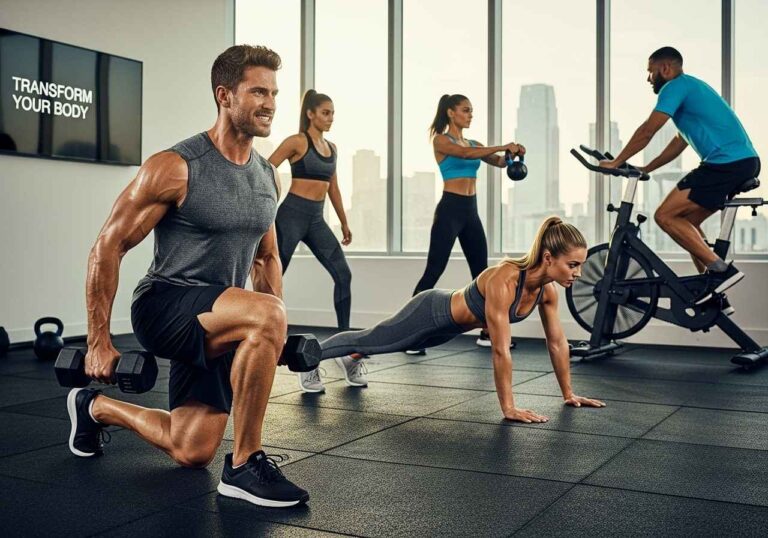

Starting a fitness journey can be both thrilling and daunting. It helps to set the right body goals for successful weight and shape change.
Tracking your progress is key to staying motivated and achieving your goals. By monitoring your weight shape changes, you can refine your diet and exercise plans for better results.
Whether you’re a man or a woman aiming to achieve your body goals, having a clear plan is critical. This article will guide you through tracking your progress and achieving your desired weight and shape.
Key Takeaways
- Setting the right body goals helps for successful weight and shape changes.
- Tracking your progress is really important to staying motivated and reaching your goals.
- Monitoring your weight shape changes helps you refine your diet and exercise routine.
- Having a clear plan is really important for achieving your body goals.
- Staying motivated is key to reaching your desired weight and shape.
Knowing What Body Goals Mean in 2025
In 2025, the focus on body goals has evolved to encompass a holistic approach to health. This shift highlights that achieving body goals is more than just about physical appearance. It also involves mental well-being and overall health.
The Evolution of Body Goals in Recent Years
The concept of body goals has seen significant changes over the years. Initially, the focus was mainly on aesthetic goals, such as achieving a beach body or a bikini body. Yet, recent trends have moved towards more personalized and health-focused goals.
Why Setting Personalized Goals Matters
Setting personalized body goals helps. It allows individuals to align their objectives with their unique body types, needs, and preferences. This approach makes it better the chances of achieving and maintaining body goals.
Physical and Mental Benefits of Goal-Setting
Setting body goals brings numerous physical and mental benefits. Physically, it can lead to better health metrics and a more toned physique. Mentally, achieving body goals can significantly boost self-esteem and reduce stress levels.
| Benefits | Physical | Mental |
|---|---|---|
| Batter Health Metrics | Yes | |
| Toned Physique | Yes | |
| Boosted Self-Esteem | Yes | |
| Reduced Stress | Yes |
Defining Your Body Goals
Setting clear body goals can significantly impact your motivation and progress. Having a clear idea of what you want to achieve helps you stay focused and driven throughout your fitness journey.
Popular Body Goals for Women
Women often have diverse body goals, ranging from achieving a toned physique to better overall health. Some popular goals include having a beach-ready body, achieving a certain dress size, or simply feeling more confident in one’s own skin. Fitness programs that focus on strength training and cardiovascular exercises are commonly pursued to achieve these goals.

Common Body Goals for Men
Men typically focus on goals such as building muscle mass, increasing strength, or achieving a leaner physique. Common goals include having a six-pack or better overall athletic performance. Men often engage in weightlifting and high-intensity interval training (HIIT) to achieve these objectives.
How to Choose Goals That Match Your Natural Body Type
It helps to choose body goals that align with your natural body type. For example, individuals with an ectomorph body type may find it challenging to gain muscle mass, while those with an endomorph body type might struggle with losing weight. Knowing your body type and setting realistic goals based on it can help you achieve more sustainable results.
Setting Realistic Expectations for Your Journey
Setting realistic expectations is key to maintaining motivation and avoiding disappointment. It’s important to understand that significant body changes take time, and patience helps. By setting achievable milestones and celebrating small victories, you can stay motivated and track your progress.
Types of Body Goals to Consider
Body goals are deeply personal, and recognizing the various categories is key to finding what suits you best. Whether you aim for a specific look, make it better your fitness, or prioritize health, knowing the different types is really important.
Aesthetic Goals (Beach Body, Bikini Body)
Aesthetic body goals center on achieving a certain look or appearance. The beach body and bikini body goals are common, aiming to reduce body fat and tone muscles for swimwear. These goals are driven by visual aspirations, motivating those who enjoy summer activities or special events.
Fitness and Performance Goals
Fitness and performance goals aim to make one’s physical capabilities, not just appearance. They might include running a certain distance, lifting a specific weight, or mastering a challenging workout. Setting performance goals is rewarding and appealing to athletes or those who enjoy competitive sports.
Health-Centered Body Goals
Health-centered goals focus on overall well-being, not just looks or performance. Examples include lowering body fatpercentage, better blood pressure, or achieving healthy blood sugar levels. These goals help long-term health, significantly improving the quality of life.
change and Lifestyle Goals
Transformation goals involve making significant changes to your body or lifestyle, like switching to a healthier diet or starting a regular exercise routine. These goals are about sustainable lifestyle changes, requiring commitment and patience but leading to lasting results.
Knowing these categories helps you choose the right path for your body goals. By identifying your objectives, you can craft a focused and well-worked plan.
Knowing Body Composition for Work Well Goal Setting
works well goal setting in fitness starts with grasping body composition. It’s the ratio of body fat to lean body mass. Knowing this is really important for setting realistic and attainable fitness goals.
The parts of Body Composition
Body composition mainly consists of body fat and lean body mass. Body fat encompasses help and storage fat. Lean body mass includes muscles, bones, and water. Balancing these parts helps with useful goal-setting.

Short-Term vs. Long-Term Composition Goals
Distinguishing between short-term and long-term body composition goals is critical. Short-term goals might aim to lower body fat percentage in a few months. Long-term goals could focus on maintaining lean body mass for years.
Using Body Composition Metrics to Set SMART Goals
To craft SMART (Specific, Measurable, Achievable, Relevant, Time-bound) goals, body composition metrics are key. Regularly measuring body fat percentage and lean body mass is necessary to monitor progress.
| Metric | Initial Measurement | Target |
|---|---|---|
| Body Fat Percentage | 25% | 20% |
| Lean Body Mass | 50 kg | 55 kg |
Body Composition Exercises for Different Goals
Diverse body composition goals necessitate varied exercise approaches. For instance, resistance training boosts lean body mass. Cardio exercises are usually for reducing body fat.
By comprehending body composition and setting SMART goals, individuals can devise fitness plans that meet their specific needs.
Body Fat Percentage: Your Key Tracking Metric
Your body fat percentage is a more accurate indicator of health than weight alone. Unlike the scale, which doesn’t differentiate between lean mass and fat mass, body fat percentage gives you a clear picture of your progress towards your fitness goals. It’s a key metric for knowing your body’s composition and making informed decisions about your health and fitness regimen.
Healthy Body Fat Ranges for Women
For women, the American Council on Exercise (ACE) defines the following categories based on body fat percentage: healthy (10-13%), Athletes (14-20%), Fitness (21-24%), Average (25-31%), and Obese (32% or higher). Knowing these categories can help you set realistic goals that align with your health and fitness aspirations.
Healthy Body Fat Ranges for Men
For men, ACE categorizes body fat percentage as follows: Healthy (2-5%), Athletes (6-13%), Fitness (14-17%), Average (18-25%), and Obese (26% or higher). These ranges are important for men to understand their body composition and health status.
How to Measure Body Fat Percentage
There are several methods to measure body fat percentage, including hydrostatic weighing, dual-energy X-ray absorptiometry (DXA), and skinfold measurements. While these methods vary in accuracy and accessibility, using a body fat caliper at home or consulting with a professional can provide a good estimate of your body fat percentage.
Using Body Fat Calculators works well.
Body fat calculators can be a convenient tool for estimating body fat percentage. By inputting your measurements, age, and gender, these calculators provide an approximation of your body fat percentage. It helps to use these calculators consistently and understand their limitations to track your progress.
By focusing on your body fat percentage and knowing what constitutes a healthy range for your gender and fitness level, you can set more precise body fat goals. Whether you’re aiming to reduce body fat, maintain your current composition, or understand your progress, tracking body fat percentage is a strong way to achieve your body goals.
Tools for Tracking Body Goals
Achieving your body goals requires more than determination; it demands the right tools for tracking progress. With numerous options available, you can select the tools that best fit your needs and preferences.
Digital Apps and Software for Progress Tracking
Digital apps have changed how we track body goals. Apps like MyFitnessPal and Fitbit allow you to monitor daily caloric intake and expenditure. Others, such as Strava and Nike Training Club, track workouts and progress over time. These apps often include community support, personalized plans, and analytics.
- MyFitnessPal for calorie tracking
- Fitbit for activity tracking
- Strava for workout tracking
Physical Measurement Tools Worth Investing In
While digital apps are convenient, physical measurement tools offer tangible data. Investing in a good-quality body fat caliper, a smart scale, or a flexible measuring tape provides accurate measurements. Consistency is key when using these tools; take measurements at the same time and under the same conditions each week.

Professional Assessment Options
For a more detailed analysis, consider professional assessment options. This includes body scans and working with fitness professionals.
Body Scans and Analysis
Body scans offer a detailed analysis of your body composition, including fat percentage, muscle mass, and bone density. Facilities like DEXA Fit provide detailed scans. They help you understand your body’s composition and track changes over time.
Working with Fitness Professionals
Fitness professionals, such as personal trainers and nutritionists, offer personalized advice and plans. They can help you create a workout regimen and diet plan tailored to your specific goals. This makes your progress and keeps you motivated.
Creating a Full Tracking System
To achieve real changes in your body, a detailed tracking system helps. It goes beyond just weighing yourself. For goals like a curvy, toned body or a natural hourglass figure, monitoring various aspects of your progress is necessary.
Setting Up Your Measurement Schedule
Consistency is really important in tracking your body goals. Choose a measurement schedule that fits your lifestyle, whether weekly, bi-weekly, or monthly. Sticking to your schedule makeing sure accurate tracking of your progress over time.
Key Metrics Beyond the Scale
While weight is important, it’s not the only measure of progress. Tracking other key metrics provides a complete view of your journey.
Circumference Measurements
Measuring waist, hips, and other areas with a flexible tape measure offers insights into body composition changes. This metric is invaluable for tracking progress.
Progress Photos
Regular progress photos visually track body changes. They serve as a strong motivator, showing changes not reflected on the scale.
Performance Indicators
Tracking workout performance, like lifting more or running faster, measures progress. It also guides adjustments to your workout routine.

How to Record and Analyze Your Data
Identify the metrics you want to track and record them consistently. Use a journal, spreadsheet, or mobile app for logging. Regular data analysis reveals progress, patterns, and the need for adjustments in diet and workouts.
With a detailed tracking system, you’re well on your way to achieving body goals, whether it’s an hourglass figure or any other change.
Exercise Strategies to Achieve Different Body Goals
Different body goals require unique exercise strategies. Whether you aim for a slim physique, a toned body, a thick figure, or an hourglass shape, your workout plan must align with your goals.
Workout Plans for Slim Body Goals
For a slim body, focus on cardiovascular exercises and high-intensity interval training (HIIT). These burn calories and reduce fat. A routine might include:
- 30 minutes of jogging or cycling
- HIIT sessions 3 times a week
- Core exercises to make it better for fat loss around the abdominal area
Training for Toned and Fit Body Goals
A toned and fit body requires strength training and resistance exercises. These build muscle and make it a better physique. A typical plan might include:
- Weightlifting sessions 3-4 times a week
- Bodyweight exercises like push-ups, squats, and lunges
- Core strengthening exercises for better stability
Exercises for Thick and Curvy Body Goals
Women aiming for a thick and curvy body should focus on building muscle mass in key areas. Squats, deadlifts, and hip thrusts work well.

Workout Routines for Hourglass Body Goals
An hourglass figure requires targeting specific areas like the waist, hips, and bust. Exercises that strengthen the core and make it better hip and glute curves are beneficial.
Balancing Cardio and Strength Training
It helps to balance cardio exercises for fat loss with strength trainingfor muscle building. This balance makes sure overall fitness and aids in achieving your desired body shape.
By tailoring your exercise strategy to your body goals, you can achieve your desired physique. Remember, consistency and patience are key to seeing real changes.
Nutrition Plans That Support Your Body Goals
Creating a personalized nutrition plan is key to achieving your body goals, whether it’s weight loss, muscle gain, or better health. Nutrition is really important in shaping your body’s composition. A well-designed plan can greatly boost your progress toward these goals.

Calculating Caloric Needs for Your Goal Type
To craft an works well nutrition plan, start by figuring out your daily caloric needs. This depends on your body goal. For weight loss, you need a caloric deficit. To gain muscle, you require a caloric surplus. A reliable caloric needs calculator or a nutritionist can guide you to the correct caloric intake for your goals.
Macronutrient Ratios for Different Body Goals
Macronutrient ratios differ based on your body goals. For muscle building, a high-protein diet is often recommended. Those aiming for weight loss might focus on a balanced diet with controlled carbs. Knowing the right macronutrient ratios for your goal helps in making better dietary choices.
Meal Timing and Frequency Considerations
Meal timing and frequency can significantly affect your progress toward your body goals. Some prefer eating smaller, more frequent meals to keep their metabolism up. Others might try intermittent fasting for their goals. Trying out different meal timing strategies can help you find what suits you best.
Hydration and Supplementation Strategies
Staying hydrated is critical for overall health and supports your body’s goals by ensuring optimal body function. Certain supplements, like protein powder or BCAAs, can also make up your nutrition plan, depending on your specific needs and goals.
By focusing on these nutritional aspects and tailoring your plan to your individual needs, you can work well support your body goals. This approach can lead to lasting results.
Recognizing Real Changes in Your Body
Learning to spot real changes in your body can be a great motivator on your fitness path. It’s not just about reaching your goals and about enjoying the journey. Every step forward is a victory.
Timeframes for Visible Results
The time to see results varies greatly among individuals. It depends on your starting point, genetics, diet, and workout routine. Generally, you might start noticing changes in 6-12 weeks with consistent effort.
Non-Scale Victories to Celebrate
The scale is just one way to measure progress. Other victories include more energy, a better mood, make it better sleep, and make it better physical abilities. Celebrating these can keep you motivated.

How to See Changes Others Might Miss
To spot changes others might overlook, keep a progress journal or take regular photos. Comparing these over time can show subtle but significant changes in your body and health.
Adjusting Your Perspective on Progress
It’s key to focus on long-term trends, not short-term ups and downs. This mindset helps keep a positive outlook and stay committed to your goals.
| The variable may fluctuate | Short-Term (0-3 months) | Long-Term (6-12 months) |
|---|---|---|
| Weight Loss | Variable, may fluctuate | More consistent, noticeable |
| Body Fat Percentage | May decrease gradually | Significant reduction possible |
| Energy Levels | May grow within weeks | The variable may fluctuate |
Conclusion: Maintaining Your Progress and Growing Your Goals
Continuing on your body goals journey requires maintaining progress for long-term success. This means regularly tracking your progress, adjusting your strategy as needed, and staying committed to your goals. Tools like a body composition goal calculator help you accurately measure your progress, guiding informed decisions about your fitness plan.
Growing your goals is also really important. Once you achieve your initial goals, you’ll need to set new ones to keep challenging yourself and making progress. This could involve changing your workout routine, adjusting your nutrition plan, or setting new targets for your body composition.
By staying focused on your goals and continually assessing and adjusting your approach, you can achieve lasting results and maintain a healthy, fit body. Whether aiming for a specific body goal or striving for a healthy lifestyle, the key is to stay committed and keep moving forward.
FAQ
What are body goals, and why are they important?
Body goals are specific physical objectives set by individuals, like achieving a certain body shape or weight. They are really important as they guide and motivate one’s fitness journey. This helps in staying focused on desired outcomes.
How do I choose the right body goals for myself?
Selecting the right body goals requires knowing your natural body type and setting realistic expectations. It’s also important to consider your personal preferences and health objectives. Goals should be achievable and align with your overall well-being.
What are some popular body goals for women and men?
Women often aim for a toned and fit physique, an hourglass figure, or a slim and healthy body. Men commonly seek to build muscle, achieve a lean and athletic body, or make it better overall fitness and health.
How can I track my progress towards my body goals?
Progress tracking involves various methods, including digital apps, body measurements, progress photos, and performance indicators. Regularly assessing body fat percentage and other metrics is also beneficial.
What is the significance of body composition in achieving body goals?
Body composition is key in achieving body goals as it offers a more accurate progress measure than weight alone. It aids in setting realistic goals and guides the development of work, workout, and nutrition plans.
How often should I measure my body fat percentage?
Measuring body fat percentage frequency varies based on individual goals and progress. It’s generally advised to track it regularly, like weekly or biweekly, to monitor changes and adjust strategies as needed.
Can I achieve my body goals without professional help?
Achieving body goals without professional help is possible. Yet, working with fitness professionals, like personal trainers or nutritionists, can offer valuable guidance and support. They can create personalized plans made for specific goals and needs.
How long does it take to see visible results in achieving body goals?
Visible results time varies based on individual factors, such as starting fitness level, consistency of effort, and specific goals. Generally, noticeable changes can be seen within a few weeks to a few months with consistent effort.