Track Your Real Progress With Accurate Body Measurements
Body measurements give you the full picture of your fitness journey that the scale can’t provide. This guide is for anyone who wants to monitor their weight loss, muscle gain, or overall body changes with precision and confidence.
Learning how to do body measurements correctly helps you see real progress when the scale stays stuck. You’ll discover which measurements matter most for your goals and how to take them consistently every time.
We’ll cover the essential measuring techniques using a simple tape measure at home, plus the key differences between tracking measurements for fitness goals versus clothing and tailoring needs. You’ll also learn how often to measure and which body areas give you the most valuable data for tracking your transformation.
How to Do Body Measurements Correctly So Your Fitness and Health Tracking Actually Makes Sense

Why do body measurements give clearer progress signals than body weight alone?
Your bathroom scale lies to you every single day. That number staring back at you doesn’t tell you if you’ve gained muscle, lost fat, or just had too much salt yesterday. Body measurements, on the other hand, paint the real picture of what’s happening to your body composition.
When you step on a scale, you’re seeing your total weight – fat, muscle, bones, organs, water, and even the contents of your digestive system. This means you could lose two pounds of fat and gain one pound of muscle, but the scale would only show a one-pound loss. Your measurements would reveal the truth: your waist got smaller while your arms and chest grew larger.
Water retention alone can swing your weight by 3-5 pounds in a single day. Women experience even larger fluctuations due to hormonal changes throughout their menstrual cycle. Meanwhile, your actual body circumferences remain remarkably stable when measured consistently.
Measurements also capture changes that happen slowly over time. You might not lose any scale weight for weeks while following a strength training program, but your waist circumference could drop an inch as you replace fat with denser muscle tissue. This is especially true for beginners who often experience body recomposition – losing fat and gaining muscle simultaneously.
What you should prepare before measuring to avoid misleading numbers
Consistent preparation makes the difference between accurate tracking and confusing data that leads nowhere. Start by choosing the same measuring tape every time. A flexible cloth or vinyl tape measure works best – avoid metal tapes that can dig into skin and compress tissue.
Mark your measurement spots the first time using a washable marker or small adhesive dots. Take photos of yourself from the front and side to document exactly where you placed the tape. This visual reference eliminates guesswork for future sessions.
Wear the same type of clothing each time, ideally, minimal fitted garments or underwear. Thick clothing adds bulk that skews results, while loose clothing bunches unpredictably. Many people prefer measuring in their underwear for maximum accuracy.
Set up in front of a full-length mirror so you can see the tape position from multiple angles. Poor lighting makes it hard to ensure the tape sits level around your body, so choose a well-lit room or use a phone flashlight.
Prepare a measurement log sheet or phone app before you start. Writing down numbers immediately prevents memory errors that creep in when you try to record measurements later.
When during the day do body measurements stay most consistent
Your body changes size throughout the day based on hydration, food intake, and activity levels. Morning measurements, taken shortly after waking and using the bathroom, provide the most reliable baseline.
During sleep, gravity isn’t pulling fluids toward your lower body, and you haven’t eaten or drunk anything for 6-8 hours. This creates the most consistent internal state for measuring. Your muscles are also relaxed rather than pumped from recent activity.
Avoid measuring after workouts when your muscles are swollen with blood, and your body is dehydrated from sweating. Post-exercise measurements can be up to half an inch smaller at the waist and larger at muscle sites compared to your true baseline.
Late-day measurements vary wildly depending on your sodium intake, stress levels, and how much you’ve consumed. The difference between morning and evening waist measurements can exceed two inches on high-sodium days.
Women should track their menstrual cycle and note where they are in their cycle when measuring. Water retention peaks just before menstruation, potentially adding 1-2 inches to waist and hip measurements. Tracking these patterns helps you understand normal fluctuations versus actual body composition changes.
What tools and setups help reduce human error at home
A quality measuring tape is your most important tool, but not all tapes are created equal. Look for one with clear, easy-to-read markings and a sturdy case that prevents stretching over time. Tapes with a small hook or loop at the zero mark help you hold the starting point steady when measuring yourself.
Position yourself consistently using wall markers or furniture as reference points. Standing against a wall ensures upright posture, while using a doorframe helps maintain the same stance each time. Some people place small pieces of tape on the floor to mark their foot position.
Use your phone’s camera as a measuring assistant. Set up the phone to record video while you measure – this lets you review tape placement and catch errors you might miss in real time. The video also serves as proof of proper technique when you’re tracking long-term progress.
Create a standardized routine by writing down your exact measurement process. Include details like “exhale normally,” “tape snug but not tight,” and “measure three times, record the middle value.” This checklist prevents you from rushing or cutting corners on busy days.
Consider investing in a body measuring station – a simple setup with a backdrop, floor markings, and consistent lighting. This doesn’t need to be expensive; even a designated corner of your bedroom works if you keep the setup identical each time.
Small habits that slowly ruin measurement accuracy without notice
The biggest accuracy killer is inconsistent tape tension. Pulling too tight compresses tissue and gives artificially small readings, while loose tape creates false, large measurements. The tape should lie flat against the skin without indenting or leaving gaps.
Measuring at slightly different body positions throws off results over time. Moving the tape just one inch higher or lower on your waist can change readings by 2-3 inches. This gradual drift in measurement location creates fake progress or stagnation that doesn’t reflect reality.
Breathing inconsistently during measurements introduces major variability. Some people hold their breath, others take deep breaths, and many don’t pay attention at all. Establish a breathing pattern – most experts recommend exhaling normally and holding that position while reading the tape.
Taking single measurements instead of multiple readings amplifies random errors. Even with perfect technique, small variations in tape placement or posture affect individual readings. Take three measurements at each site and record the middle value to smooth out these fluctuations.
Rushing through the process leads to sloppy technique that compounds over time. When you’re in a hurry, you might skip the mirror check, eyeball the tape position, or forget to record measurements immediately. These small shortcuts add up to meaningless data that won’t help track your actual progress.
How to Do Body Measurements at Home With a Tape Measure Without Confusion or Guesswork

How chest, waist, and hip measurements should feel when taken correctly
When you’re learning how to take body measurements with a tape measure, the pressure you apply makes all the difference between accurate and misleading numbers. Your tape measure should sit snugly against your skin without compressing the tissue underneath. Think of it like wearing a well-fitted bracelet – you can feel it’s there, but it’s not cutting off circulation.
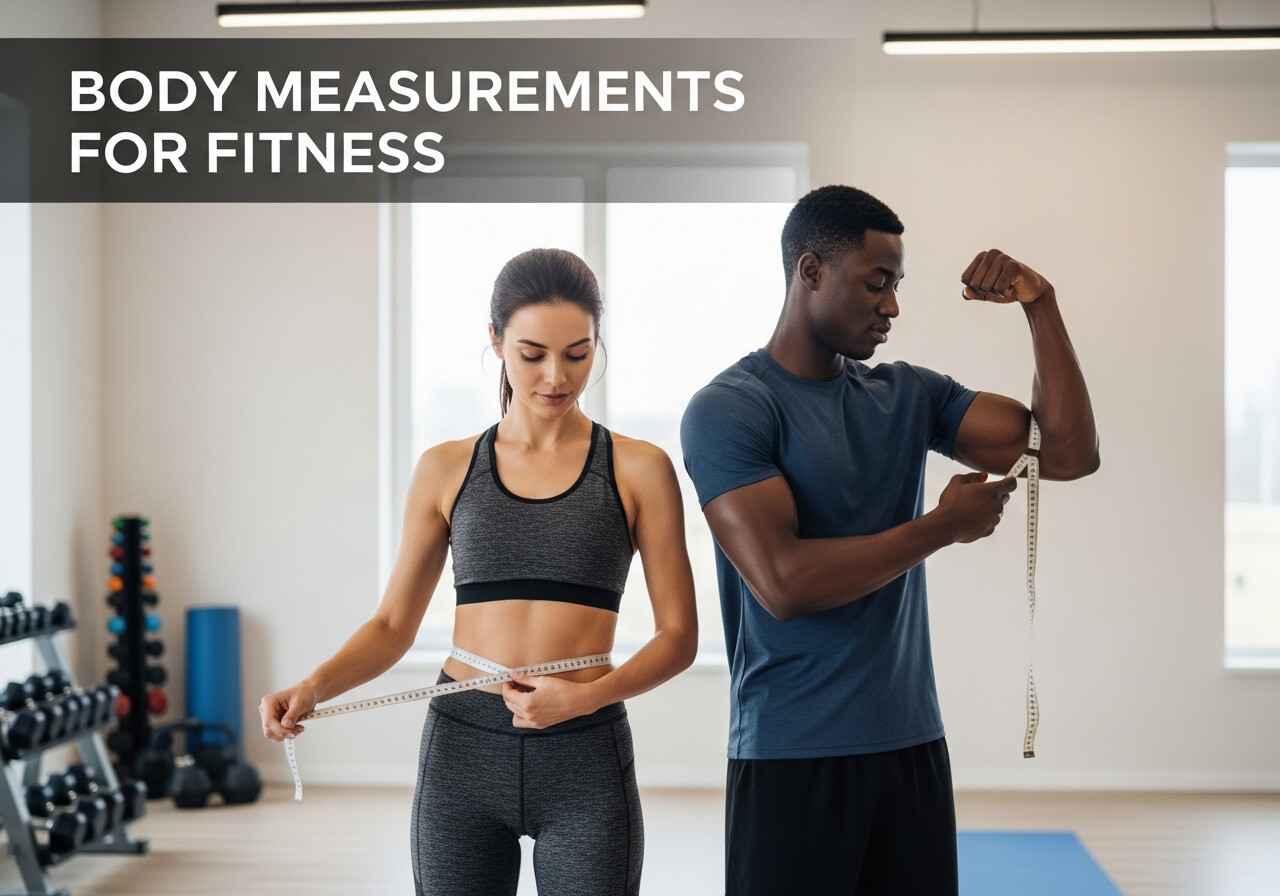
For chest measurements, position the tape around the fullest part of your chest, typically at nipple level. The tape should feel secure but not tight enough to indent your skin. You should be able to slip a finger underneath without lifting the tape away from your body. Take this measurement at the end of a normal exhale to avoid inflating your numbers.
Your waist measurement requires finding your natural waistline, usually the narrowest part of your torso, often just above your belly button. The tape should rest lightly against your skin without squeezing your midsection. Many people make the mistake of pulling the tape too tight here, especially when they’re not happy with their current measurements. This defeats the purpose of tracking progress accurately.
Hip measurements should be taken at the widest part of your hips and glutes. The tape needs to stay parallel to the floor and maintain that same gentle contact pressure. You’ll know you’ve got it right when the tape feels stable but doesn’t create any indentations in your skin.
How to measure arms, shoulders, and the upper body without tightening the tape
Upper body measurements can be tricky because these areas have more muscle definition and varying contours. When measuring your shoulders, wrap the tape around the widest part, which is typically across your shoulder blades and the front of your shoulders. Keep your arms relaxed at your sides and maintain good posture without puffing out your chest artificially.
For arm measurements, measure at the largest part of your bicep with your arm relaxed and hanging naturally. Don’t flex your muscle or press the tape into the tissue. The measurement should capture your arm in its normal state. If you’re tracking muscle gain, consistency in arm position and tape tension becomes even more important for seeing real changes over time.
Your neck measurement should be taken just below your Adam’s apple, with the tape sitting comfortably without restricting your breathing. This measurement often gets overlooked, but it’s valuable for tracking overall body composition changes.
How lower body measurements change based on posture and stance
Your posture dramatically affects lower body measurements, which is why establishing a consistent stance is crucial for taking body measurements accurately. Stand with your feet hip-width apart, weight evenly distributed, and avoid shifting your weight to one leg.
Thigh measurements should be taken at the largest part of your thigh, typically about 6 inches below your hip crease. Keep your leg muscles relaxed and avoid tensing or flexing. The tape should encircle your thigh horizontally, not at an angle.
Calf measurements work the same way – find the largest part of your calf muscle while standing normally. Don’t point your toes or flex your calf muscles, as this will skew your numbers and make it impossible to track changes consistently.
How to measure body length and proportions for full-body tracking
Body length measurements add another dimension to your fitness tracking beyond circumference measurements. These measurements help you understand your proportions and can be particularly useful for clothing purchases and fitness goal setting.
To measure your inseam, start from your crotch and measure down to your ankle bone along the inside of your leg. Keep the tape straight and avoid letting it curve with the contour of your leg. Your torso length runs from the base of your neck to your waistline, measured straight down the center of your body.
Arm length should be measured from your shoulder point (where your arm meets your shoulder) down to your wrist bone with your arm hanging naturally at your side. These proportional measurements remain relatively stable and provide context for your changing circumference measurements.
How to read a measuring tape confidently, even if you are a beginner
Reading a measuring tape becomes second nature with practice, but beginners often struggle with the markings and increments. Most tape measures show inches on one side and centimeters on the other. Choose one unit of measurement and stick with it throughout your tracking journey.
Focus on the larger number markings first – these represent full inches or centimeters. The smaller lines between represent fractions. For body measurements, measuring to the nearest quarter-inch or half-centimeter provides plenty of accuracy for tracking progress.
Always double-check your reading by looking straight down at the tape rather than at an angle, which can cause parallax errors. Take each measurement two or three times and use the average if you get slightly different readings. This approach helps eliminate human error and gives you confidence in your numbers for tracking your fitness journey effectively.
How to Do Body Measurements for Fitness, Weight Loss, and Muscle Gain Without Relying on the Scale

Which measurements reflect fat loss even when weight does not change
The scale can be your worst enemy during a fitness journey. You might be losing inches around your waist while building muscle in your arms and legs, causing the scale to barely budge or even increase. The most reliable measurements for tracking fat loss include your waist circumference, hip measurements, and body fat percentage through skin fold measurements.
Your waist measurement tells the most important story about fat loss. As you lose visceral and subcutaneous fat, this area typically shrinks first and most dramatically. Take your waist measurement at the narrowest point, usually just above your belly button. A decrease of even half an inch here represents significant progress that the scale might completely miss.
Hip measurements also reveal fat loss patterns, especially for women who tend to store fat in the lower body. Measure around the widest part of your hips, typically at the level of your hip bones. Combined with waist measurements, you can calculate your waist-to-hip ratio, which provides insight into overall health improvements beyond just weight loss.
Thigh and arm circumferences can show mixed results during body recomposition. These areas might maintain the same measurements or even increase slightly as you build muscle while losing fat. Don’t panic if these numbers stay steady – focus on how your clothes fit and how these areas feel firmer to the touch.
How muscle gain shows up in measurements over time
Muscle growth creates measurable changes that often surprise people. Unlike fat loss, which typically shows up as decreasing measurements, muscle gain appears as increases in specific areas while potentially decreasing others.
Your chest, shoulders, and arms will show the most dramatic increases with consistent strength training. Men typically see chest measurements increase by 1-2 inches over several months of dedicated training. Women might notice smaller but still significant increases in these areas, along with improved muscle definition.
Leg measurements often increase substantially with proper training. Your thigh circumference might grow by 1-3 inches over six months of consistent leg workouts. This growth comes from increased muscle mass in your quadriceps, hamstrings, and glutes. Don’t mistake this for fat gain – muscle tissue is denser and creates a firmer, more defined appearance.
The timeline for muscle-related measurement changes varies by individual, but expect to see noticeable differences within 4-6 weeks of consistent training. More dramatic changes typically occur after 2-3 months. Track these measurements alongside photos to see how your body shape improves even when individual measurements increase.
Which body areas matter most for different fitness goals
Your fitness goals should dictate which measurements deserve the most attention. Different objectives require focusing on different body areas to track meaningful progress.
Weight Loss Goals:
- Waist circumference (most important)
- Hip measurements
- Neck circumference
- Upper arm circumference
Muscle Building Goals:
- Chest circumference
- Shoulder width
- Thigh circumference
- Upper arm circumference
- Forearm measurements
Athletic Performance Goals:
- Waist-to-hip ratio
- Body fat percentage through skin folds
- Functional measurements like reach and flexibility ranges
General Health and Fitness:
- Waist circumference remains the top priority
- Hip measurements for lower body tracking
- Neck measurements for overall health indicators
How often should it be taken during a weight loss phase
Taking measurements too frequently leads to frustration and inaccurate tracking. Your body fluctuates daily due to water retention, meal timing, and hormonal changes. Weekly or bi-weekly measurements provide the sweet spot between staying motivated and avoiding daily obsession.
Schedule your measurement sessions for the same day each week, preferably in the morning before eating or drinking anything. This consistency eliminates variables that could skew your results. Many successful dieters choose Monday mornings as their measurement day, using it as motivation for the week ahead.
During aggressive weight loss phases, bi-weekly measurements might be more appropriate. Rapid changes can be encouraging, but daily or even weekly fluctuations might mask real progress. Some areas of your body lose fat faster than others, so patience pays off when tracking your results.
Keep a simple measurement log noting the date, time, and all relevant measurements. Apps and spreadsheets work well, but even a simple notebook provides valuable long-term tracking data.
How long-term measurement patterns reveal real body recomposition
True body recomposition – losing fat while building muscle simultaneously – only becomes clear through long-term measurement tracking. Short-term fluctuations can be misleading, but patterns over 3-6 months tell the real story.
Look for these patterns that indicate successful body recomposition:
- Decreasing waist measurements with stable or increasing chest/shoulder measurements
- Maintained or slightly increased leg measurements with improved muscle firmness
- Stable weight on the scale despite significant measurement changes
- Decreasing body fat percentage through skin fold measurements
Monthly progress photos alongside measurements provide the complete picture. Your measurements might show a 2-inch waist decrease and 1-inch chest increase over three months, but photos reveal the dramatic visual transformation these numbers represent.
Track measurement trends rather than individual data points. Draw or calculate trend lines showing your progress over time. Most people experience non-linear progress with periods of rapid change followed by plateaus. Understanding these patterns helps maintain motivation during slower progress periods.
Create measurement ratios to track proportional changes. Your waist-to-chest ratio, waist-to-hip ratio, and other proportional measurements often show improvements even when individual measurements plateau. These ratios provide insight into how your body shape evolves during your fitness journey.
How to Do Body Measurements for Men and Women While Respecting Body Type Differences

Measurement areas that men usually track for strength and size changes
Men typically focus on specific areas that reflect muscle growth and strength gains when tracking their fitness progress. The chest measurement, taken at the widest part around the nipple line, shows upper body development from bench pressing and other pushing exercises. Arms get measured at the largest part of the bicep when flexed, giving a clear picture of arm muscle growth.
The shoulders measurement spans from one shoulder point to the other across the back, capturing the development of the deltoids and upper back muscles. Many men also track their neck circumference, as this area responds well to overall muscle mass increases.
For core tracking, men measure their waist at the narrowest point, usually just above the belly button. This helps monitor fat loss while building muscle elsewhere. The forearms, measured at the thickest point, show grip strength improvements and overall arm development.
Thigh measurements taken at the largest part reveal lower body muscle growth from squats, deadlifts, and leg training. Some men also measure their calves at the widest point to track lower leg development.
Measurement areas women commonly track for fitness progress
Women often track different areas that align with their specific fitness goals and how their bodies typically store and lose fat. The bust measurement, taken around the fullest part of the chest, helps track changes in this area during weight fluctuations.
The waist measurement at the smallest part of the torso shows progress in core strength and fat loss. Many women also measure their hips at the widest part, as this area often changes significantly during weight loss or muscle gain phases.
Thigh measurements help women track lower body changes from exercises like squats and lunges. The upper arm measurement, taken at the largest part when relaxed, shows both fat loss and muscle tone improvements.
Some women track their neck and wrist measurements as these areas tend to change proportionally with overall body composition shifts. The forearm measurement can also indicate overall strength and tone improvements.
How different body shapes affect where and how measurements change
Different body types lose fat and gain muscle in distinct patterns, making measurement tracking highly individual. Apple-shaped bodies typically store fat around the midsection and often see waist measurements change first during fat loss. These individuals might notice slower changes in hip and thigh measurements.
Pear-shaped bodies carry more weight in the hips and thighs, so these areas often show the most dramatic changes during body composition shifts. The waist might change less dramatically compared to lower body measurements.
Hourglass figures tend to lose and gain proportionally, with both waist and hip measurements changing at similar rates. This body type often maintains consistent ratios between measurements even during significant body composition changes.
Rectangle or athletic body types might see less dramatic measurement changes overall but often notice improvements in muscle definition rather than size changes. These bodies typically respond well to strength training with increases in arm, shoulder, and leg measurements.
How water retention and bloating can temporarily affect numbers
Daily measurement fluctuations happen for many reasons beyond actual fat loss or muscle gain. Women experience regular hormonal cycles that cause water retention, making measurements temporarily larger by 1-2 inches during certain times of the month.
High sodium intake from processed foods causes water retention that shows up in measurements within hours. This temporary bloating affects waist, face, and sometimes arm measurements until the excess sodium gets flushed out.
Intense workouts cause muscle inflammation and temporary swelling, making muscle measurements slightly larger for 24-48 hours post-exercise. This represents recovery, not actual growth, so measurements return to baseline once inflammation reduces.
Carbohydrate intake also influences water retention since muscles store water with glycogen. After high-carb meals or carb refeeding days, measurements might increase temporarily as muscles hold extra water.
How to measure yourself accurately when no one is available to help
Taking your own body measurements requires specific techniques to maintain accuracy without assistance. Use a flexible measuring tape and stand in front of a full-length mirror to ensure proper tape positioning.
For chest and bust measurements, wrap the tape around your back first, then bring it forward. Keep your arms slightly away from your body and adjust the tape position in the mirror before reading the measurement.
Waist measurements work best when you place the tape around your middle, adjust it to sit level all around, then raise your arms overhead to settle the tape naturally before lowering them and taking the reading.
For arm measurements, flex your muscle and use your opposite hand to position the tape. Keep the muscle flexed while adjusting tape placement, then relax slightly to take the final measurement.
Hip measurements require standing with feet together and wrapping the tape around the widest part. Use the mirror to check that the tape sits level all around your body before recording the number.
Mark reference points with a washable pen to ensure consistent measurement locations over time. Take photos of tape placement for future reference, especially for hard-to-reach areas like your back or shoulders.
How to Do Body Measurements for Clothing, Tailoring, and Keeping Reliable Size Records

How body measurements help reduce online shopping size mistakes
Online shopping has become a way of life, but sizing inconsistencies across brands make purchasing clothes a frustrating guessing game. When you know how to take body measurements for clothing female or male shoppers, you eliminate the stress of returns and exchanges. Different clothing brands use varying size charts, and a medium in one brand might fit like a large in another.
Having your accurate measurements on hand transforms your shopping experience. Instead of relying on generic size labels, you can compare your chest, waist, hip, and inseam measurements directly to the brand’s size chart. This approach works especially well for online purchases where you can’t try items on first.
Create a quick reference card with your key measurements and keep it in your phone or wallet. Include chest/bust, waist, hips, inseam, sleeve length, and neck measurements. This simple step saves money on return shipping and reduces the environmental impact of sending clothes back and forth.
How to measure correctly for pants, jeans, and waist rise
Taking body measurements for pants requires more precision than other garments since fit affects both comfort and appearance. Start with the waist measurement at your natural waistline – the narrowest part of your torso, typically just above your belly button. This differs from where most pants actually sit, but it’s the baseline tailors use.
For the hip measurement, wrap the tape around the fullest part of your hips and buttocks. Keep the tape parallel to the floor and don’t pull it tight – you should be able to slip a finger underneath.
The inseam measurement runs from your crotch to where you want the pants to end. For this measurement, use a pair of well-fitting pants as a guide, or have someone help you measure from your inner thigh down to your ankle.
Waist rise determines where pants sit on your body. High-rise pants sit at or above your natural waist, mid-rise sits below the waist but above the hips, and low-rise sits on the hips. Measure from your natural waist down to where you prefer pants to sit, then compare this to the rise measurements provided by clothing brands.
Which measurements tailors rely on most for proper fit
Professional tailors focus on specific measurements that make the biggest difference in how clothes fit and look. For men’s clothing, chest, waist, sleeve length, and shoulder width top the list. The chest measurement determines jacket size, while proper sleeve length ensures the shirt cuff shows about half an inch below the jacket sleeve.
For women’s clothing, bust, waist, and hip measurements form the foundation of most alterations. Tailors also pay close attention to back width and shoulder measurements, especially for fitted jackets and dresses.
When visiting a tailor, they’ll often take additional measurements like arm hole depth, back length, and trouser rise. These detailed measurements help create clothes that move with your body rather than restricting movement.
| Garment Type | Essential Measurements | Secondary Measurements |
|---|---|---|
| Men’s Suits | Chest, waist, sleeve, shoulder | Neck, back length, trouser rise |
| Women’s Dresses | Bust, waist, hips | Shoulder width, arm length |
| Shirts | Chest/bust, sleeve, neck | Back width, arm hole |
How keeping a measurement log saves time in the future
Maintaining a measurement record streamlines shopping, tailoring appointments, and fitness tracking. Create a simple log with dates and your key measurements. This becomes especially valuable when shopping online or communicating with tailors remotely.
Your measurement log should include the date, all major measurements, and notes about which technique you used. Since body measurements can vary slightly depending on the time of day, clothing worn during measurement, and measurement technique, consistency matters more than perfection.
Digital apps make tracking easier, but a simple spreadsheet or notebook works just as well. Include photos of your measurement technique to ensure consistency over time. This reference helps you spot measurement errors and maintains accuracy across multiple measurement sessions.
When and why old measurements should be updated
Body measurements change more often than people realize. Weight fluctuations, muscle gain or loss, and natural aging all affect your measurements. Update your records every three to six months, or whenever you notice clothes fitting differently.
Seasonal changes often require measurement updates. Many people gain or lose weight during different seasons, and clothing preferences change with the weather. Summer measurements might differ from winter measurements due to activity levels and eating patterns.
Life changes like pregnancy, illness, or significant fitness program results definitely call for fresh measurements. Even a five-pound weight change can affect how clothes fit, especially in fitted garments like blazers and dresses.
Regular measurement updates prevent the disappointment of ordering clothes based on outdated information. Set a reminder to retake measurements quarterly, treating it as routine maintenance rather than a special event.

Taking accurate body measurements gives you a complete picture of your fitness progress that the scale simply can’t provide. Whether you’re losing weight, building muscle, or maintaining your health, tracking measurements like waist, hips, chest, and arms tells the real story of how your body is changing. The techniques we’ve covered work for everyone – men and women can follow the same basic principles while accounting for their unique body composition and measurement priorities.
Start measuring yourself today using a simple tape measure and the consistent methods outlined above. Take your measurements at the same time each week, wear the same type of clothing, and keep detailed records.
Your measurements will become your most reliable fitness companion, showing you progress even when the scale stays stuck. Remember, your body is changing in ways that matter far beyond what any number on a scale can tell you.
FAQs
Why should I take body measurements instead of just using a scale?
Body measurements give you a complete picture of your progress. While a scale only shows total weight, measurements track changes in specific areas like your waist, arms, and thighs. You might gain muscle while losing fat, which won’t show on a scale but will be clear with measurements.
How often should I take my body measurements?
Take measurements once every 2-4 weeks. This gives your body enough time to show real changes while keeping you motivated. Taking them more often can be frustrating since small daily changes are normal and don’t reflect true progress.
What body parts should I measure for the best results?
Focus on these key areas: waist, hips, chest, upper arms, and thighs. For weight loss, pay special attention to waist and hip measurements. For muscle building, track your chest, arms, and thighs. Always measure the same spots each time for accurate comparisons.
What’s the best time of day to take measurements?
Take measurements first thing in the morning before eating or drinking anything. Your body is most consistent at this time, without bloating from food or water. This helps ensure your measurements are accurate and comparable each time.
Do I need special equipment to measure my body correctly?
You only need a flexible measuring tape, like the ones used for sewing. Avoid rigid rulers or metal tape measures. A fabric or plastic measuring tape will wrap around your body curves properly and give you accurate readings.
How tight should the measuring tape be when I measure?
Keep the tape snug but not tight. It should touch your skin all around without squeezing or creating indentations. Think of it like a gentle hug – firm contact but no pressure. If you can slide a finger under the tape easily, that’s about right.
Should I measure over or under my clothes?
Always measure directly on your bare skin or over thin, fitted clothing. Loose clothes, thick fabrics, or multiple layers will give you inaccurate readings. If you must measure over clothes, use the same type of clothing each time.
Where exactly should I measure my waist?
Measure your waist at the narrowest point, usually about an inch above your belly button. Stand up straight, breathe normally, and don’t suck in your stomach. If you can’t find a narrow point, measure at your belly button level.
How do I track my measurements over time?
Write down your measurements along with the date in a notebook or a phone app. Take photos from the front, side, and back while wearing the same clothes each time. Using both measurements and photos together makes it easier to see your progress over time.
What should I do if my measurements aren’t changing?
Don’t panic if measurements stay the same for a few weeks. Look at your overall trend over 2-3 months rather than week-to-week changes. Consider adjusting your diet or exercise routine, and remember that building muscle can temporarily maintain measurements while your body composition improves.