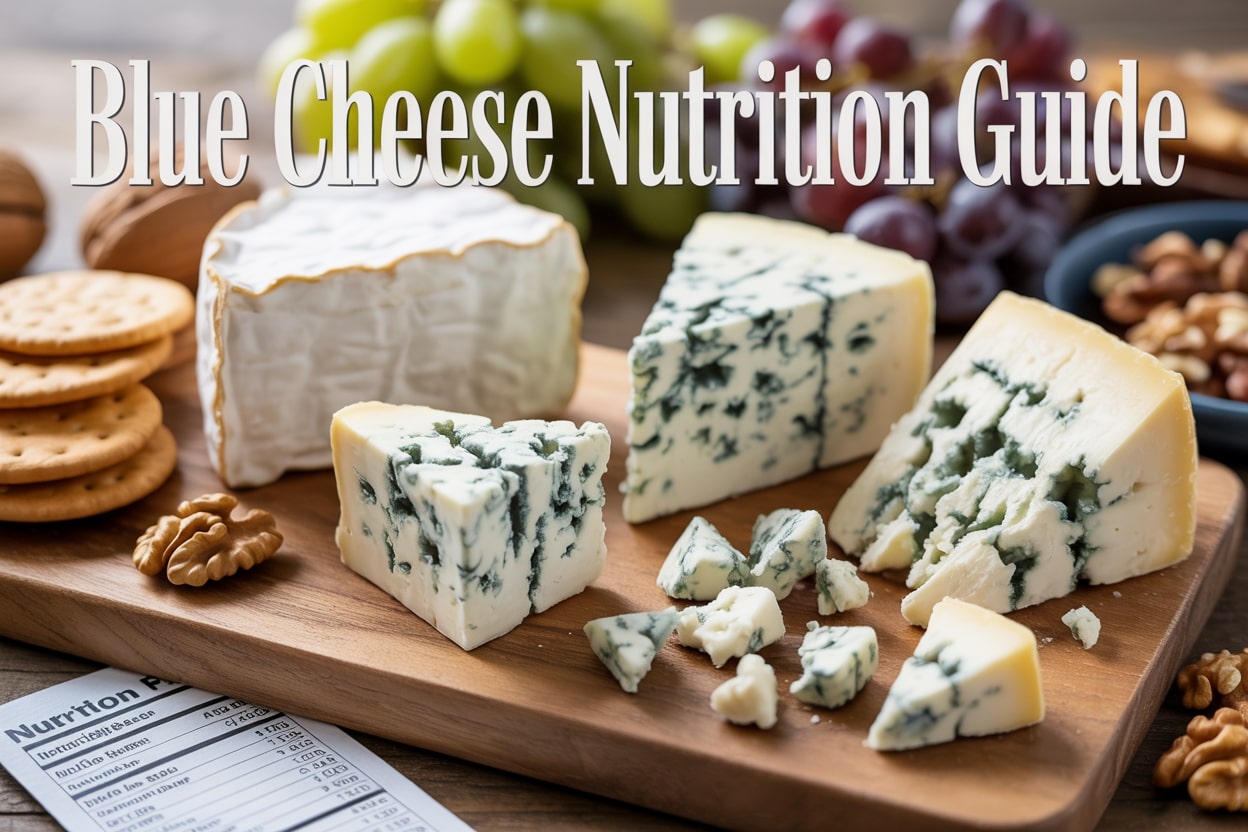
Blue cheese packs a surprising nutritional punch that goes way beyond its bold, tangy flavor. Whether you’re eyeing that creamy blue cheese dressing on your salad or sprinkling crumbled blue cheese on your favorite dish, understanding the blue cheese nutritional content can help you make smarter choices for your health goals.
This guide is perfect for health-conscious food lovers, diet planners, and anyone curious about what those distinctive blue veins bring to their plate. You’ll discover the essential macronutrients and micronutrients that make blue cheese a nutritional powerhouse, plus learn about the probiotic benefits hidden in those signature cultures. We’ll also break down practical strategies for managing calories and portions, so you can enjoy blue cheese without derailing your diet plans.
Macronutrients in Blue Cheese for Optimal Health

High-Quality Protein Content for Muscle Maintenance
Blue cheese delivers an impressive protein punch that makes it a valuable addition to your daily nutrition. A typical one-ounce serving provides approximately 6 grams of complete protein, containing all nine essential amino acids your body needs for optimal muscle function and repair. This protein profile rivals many other dairy products and makes blue cheese particularly beneficial for active individuals and older adults who need extra protein to maintain muscle mass.
The casein proteins found in blue cheese offer unique advantages over other protein sources. These slow-digesting proteins provide a steady release of amino acids into your bloodstream for several hours after consumption, making them ideal for muscle recovery after workouts or as part of an evening meal. Athletes and fitness enthusiasts often overlook blue cheese as a protein source, but its concentrated amino acid profile makes it an excellent choice for post-exercise nutrition.
Blue cheese nutritional content shows that the protein density remains consistent across different varieties, whether you choose Roquefort, Gorgonzola, or Stilton. The aging process that creates blue cheese’s distinctive flavor also concentrates these proteins, giving you more nutritional bang for your caloric buck compared to fresh cheeses.
Beneficial Fat Profile Including Omega-3 Fatty Acids
The fat composition in blue cheese offers surprising health benefits that extend far beyond basic nutrition. Blue cheese contains approximately 8 grams of fat per ounce, with a balanced mix of saturated and monounsaturated fats that support hormone production and vitamin absorption. What sets blue cheese apart from many other dairy products is its omega-3 fatty acid content, particularly when made from grass-fed milk.
These omega-3 fatty acids play crucial roles in brain health, inflammation reduction, and cardiovascular function. While the amounts aren’t as high as fatty fish, blue cheese provides a convenient way to add these beneficial fats to your diet. The conjugated linoleic acid (CLA) present in blue cheese has been linked to improved body composition and metabolic health in various studies.
The nutritional value of blue cheese includes both short-chain and medium-chain fatty acids that your body can use for quick energy. These fats also help you feel satisfied after eating, which can support healthy portion control and weight management goals. The creamy texture that makes blue cheese so appealing comes from these beneficial fats working together.
Low Carbohydrate Count for Blood Sugar Management
Blue cheese stands out as an excellent choice for low-carb eating plans, containing less than one gram of carbohydrates per ounce. This minimal carb content makes it perfect for ketogenic diets, diabetes management, or anyone looking to reduce their sugar intake without sacrificing flavor or nutrition.
The fermentation process that creates blue cheese actually reduces its natural lactose content, making it more tolerable for people with lactose sensitivity compared to fresh dairy products. The blue cheese cultures consume much of the lactose during aging, leaving behind the complex flavors while removing the sugars that could spike blood glucose levels.
Blue cheese nutrition facts reveal that this low carbohydrate profile doesn’t come at the expense of other nutrients. You get all the protein, healthy fats, vitamins, and minerals without the blood sugar rollercoaster that comes with higher-carb foods. This makes blue cheese an ideal ingredient for maintaining steady energy levels throughout the day.
For people managing diabetes or prediabetes, blue cheese can be part of a blood sugar-friendly meal plan. Its combination of protein and fat helps slow digestion and prevents rapid glucose spikes, while the intense flavor means a little goes a long way in satisfying cravings.
Vital Micronutrients That Boost Your Body’s Performance

Calcium for Strong Bones and Teeth
Blue cheese nutritional content includes impressive calcium levels, with a typical one-ounce serving providing about 150 milligrams of this essential mineral. That’s roughly 15% of your daily calcium needs packed into a small portion. Your bones constantly rebuild themselves throughout your life, and calcium serves as the primary building block for this process. Without adequate calcium, your body starts pulling this mineral from your bones, gradually weakening them over time.
The calcium in blue cheese gets absorbed more efficiently than many plant-based sources because it comes paired with other nutrients that enhance absorption. This bioavailable form means your body can actually use what you’re consuming, making every bite count toward your bone health goals. Adults need between 1,000-1,200 milligrams daily, and incorporating blue cheese into your meals can help bridge common dietary gaps.
Vitamin B12 for Energy and Brain Function
Blue cheese stands out as an excellent source of vitamin B12, delivering approximately 0.4 micrograms per ounce. This water-soluble vitamin plays a crucial role in creating red blood cells and maintaining healthy nerve function. When you’re feeling sluggish or mentally foggy, inadequate B12 might be the culprit.
Your body can’t produce B12 naturally, making dietary sources absolutely essential. Animal products like blue cheese provide the most reliable forms of this vitamin. B12 deficiency can lead to fatigue, memory problems, and even permanent nerve damage if left untreated. People following vegetarian diets or those over 50 often struggle to get enough B12, making nutrient-dense foods like blue cheese particularly valuable.
Phosphorus for Cellular Health
Often overshadowed by calcium, phosphorus works hand-in-hand with calcium to build strong bones and teeth. Blue cheese provides about 110 milligrams of phosphorus per ounce, contributing to your daily requirement of 700 milligrams. This mineral plays a vital role in energy storage and utilization at the cellular level.
Phosphorus helps your body filter waste through the kidneys and assists in tissue repair and growth. It’s also essential for producing DNA and RNA, the genetic materials that guide cellular function. The phosphorus in blue cheese gets easily absorbed because it comes in an organic form that your digestive system recognizes and processes efficiently.
Zinc for Immune System Support
Blue cheese contains meaningful amounts of zinc, providing roughly 0.6 milligrams per ounce. This trace mineral might seem small in quantity, but it punches well above its weight in terms of health benefits. Zinc supports immune function by helping white blood cells fight off infections and heal wounds more effectively.
Beyond immune support, zinc contributes to proper taste and smell function, protein synthesis, and DNA creation. Many people don’t get enough zinc from their diets, especially those avoiding animal products. The zinc in blue cheese comes in a highly bioavailable form, meaning your body can absorb and use it more readily than synthetic supplements or plant-based sources.
Probiotic Benefits of Blue Cheese Cultures

Live Bacteria Strains for Digestive Health
Blue cheese contains several beneficial bacterial strains that work wonders for your digestive system. The primary strain responsible for blue cheese’s characteristic flavor and color is Penicillium roqueforti, which creates those distinctive blue-green veins throughout the cheese. While this mold isn’t technically a probiotic in the traditional sense, blue cheese often contains additional lactic acid bacteria like Lactobacillus casei and Lactobacillus plantarum that survive the aging process.
These live cultures help break down proteins and fats in your digestive tract, making nutrients more bioavailable for absorption. The bacterial activity in aged blue cheese creates enzymes that can assist with lactose digestion, which explains why some people with mild lactose intolerance can enjoy blue cheese without discomfort. The fermentation process also produces beneficial compounds like short-chain fatty acids that nourish your intestinal lining.
When you consume blue cheese, you’re introducing millions of these beneficial microorganisms into your digestive system. The nutritional value of blue cheese extends beyond its macro and micronutrients to include these living cultures that actively support digestive function.
Gut Microbiome Enhancement Properties
Your gut microbiome thrives on diversity, and blue cheese cultures contribute unique bacterial strains that many other fermented foods don’t provide. The complex aging environment of blue cheese creates a community of microorganisms that can help balance your intestinal flora. These cultures produce antimicrobial peptides that naturally suppress harmful bacteria while promoting the growth of beneficial species.
The fermentation process in blue cheese creates prebiotic compounds – essentially food for your existing gut bacteria. This dual action of introducing new beneficial strains while feeding your current microbiome creates a synergistic effect. Research shows that diverse bacterial populations in your gut correlate with better overall health outcomes.
Blue cheese’s unique fermentation environment produces specific metabolites that can influence gut barrier function. The cheese’s aging process develops compounds that help maintain the integrity of your intestinal wall, reducing inflammation and improving nutrient absorption. Regular consumption of fermented dairy products like blue cheese has been linked to increased microbial diversity in the gut.
Immune System Strengthening Through Probiotics
Your gut houses approximately 70% of your immune system, making the probiotic benefits of blue cheese particularly valuable for immune function. The bacterial strains in blue cheese help train your immune system to distinguish between harmful pathogens and beneficial microorganisms. This education process reduces the likelihood of autoimmune responses and allergic reactions.
The fermented cultures in blue cheese produce immunoglobulin A (IgA), an antibody that serves as your first line of defense against infections. These probiotics also stimulate the production of other immune cells, including natural killer cells and T-helper cells that coordinate immune responses throughout your body.
Blue cheese cultures generate bioactive peptides during fermentation that have antimicrobial and anti-inflammatory properties. These compounds can help your body fight off infections more effectively while reducing chronic inflammation that weakens immune function. The calcium and protein in blue cheese work alongside these probiotics to support immune cell production and function.
Studies indicate that people who regularly consume fermented dairy products show improved vaccine responses and reduced incidence of respiratory infections. The blue cheese nutritional content includes these immune-supporting probiotics as a bonus beyond the traditional macro and micronutrients.
Calorie Density and Portion Control Strategies

What Blue Blue Cheese Calorie Content
Blue cheese packs a significant caloric punch for its weight, containing approximately 100 calories per ounce (28 grams). Blue cheese nutrition facts reveal that this calorie density comes primarily from fat content, which makes up about 75% of its total calories. A typical serving of crumbled blue cheese (about 1/4 cup or 1 ounce) delivers around 100-110 calories, while blue cheese dressing nutrition shows even higher concentrations at roughly 140-160 calories per 2-tablespoon serving.
The nutritional value of blue cheese becomes clearer when you break down where these calories originate. Each ounce contains about 8 grams of fat, 6 grams of protein, and less than 1 gram of carbohydrates. This macronutrient profile means blue cheese calories come mainly from saturated fats and complete proteins rather than sugars or starches.
Smart Serving Sizes for Weight Management
Effective portion control with blue cheese starts with understanding realistic serving sizes that satisfy your taste buds without derailing your caloric goals. A single tablespoon of crumbled blue cheese nutrition provides roughly 25-30 calories, making it an ideal starting point for most dishes.
Consider these practical serving guidelines:
- Salad topping: 1-2 tablespoons (25-50 calories)
- Cooking ingredient: 1/4 cup for recipes serving 4 people (25 calories per serving)
- Snack pairing: 1 tablespoon with apple slices or celery (30 calories)
- Pizza or pasta: 2 tablespoons for personal-sized portions (50-60 calories)
Pre-measuring portions helps avoid the common mistake of eyeballing amounts, which often leads to using 2-3 times the intended quantity. Store pre-portioned amounts in small containers or use measuring spoons consistently to maintain accuracy.
Balancing Flavor Impact with Caloric Intake
Blue cheese delivers an intense, tangy flavor that allows you to use smaller amounts while still achieving maximum taste impact. This characteristic makes it excellent for calorie-conscious eating when used strategically.
The key lies in placement and pairing. Adding blue cheese to the top of salads or directly onto your palate ensures you taste it immediately, creating satisfaction with less quantity. Mix small amounts into dressings, sauces, or dips to distribute the flavor throughout the dish without concentrated caloric hits.
Blue cheese dressing nutritional info shows commercial versions often contain 140+ calories per serving, but making homemade versions with Greek yogurt as a base can cut calories by 40-50% while maintaining that signature taste. Combining 1 tablespoon of blue cheese crumbles with 2 tablespoons of plain Greek yogurt creates a creamy, tangy dressing for about 60 calories total.
Comparison with Other Cheese Varieties
Understanding how blue cheese nutritional information stacks up against other popular cheeses helps put its caloric density in perspective:
| Cheese Type (1 oz) | Calories | Fat (g) | Protein (g) | Sodium (mg) |
|---|---|---|---|---|
| Blue Cheese | 100 | 8.1 | 6.1 | 395 |
| Cheddar | 113 | 9.3 | 7.0 | 174 |
| Mozzarella (part-skim) | 72 | 4.5 | 6.9 | 175 |
| Feta | 75 | 6.0 | 4.0 | 316 |
| Parmesan | 108 | 7.3 | 9.6 | 454 |
Blue cheese sits in the middle range for calories among popular cheese varieties. While it contains more calories than part-skim mozzarella or feta, it delivers fewer calories than aged cheddar. The nutritional value of blue cheese becomes more attractive when you consider its intense flavor allows for smaller serving sizes compared to milder cheeses.
The sodium content in blue cheese runs higher than most other varieties due to the aging process, which affects portion considerations for those monitoring salt intake. However, its bold taste profile means you typically need less volume to achieve flavor satisfaction compared to milder options like mozzarella or mild cheddar.
Health Considerations and Dietary Restrictions

Sodium Content and Blood Pressure Management
Blue cheese nutritional content reveals significantly high sodium levels that demand careful attention. A single ounce of blue cheese contains approximately 325-395 milligrams of sodium, which represents nearly 17% of the daily recommended intake. This concentrated sodium content stems from the cheese-making process, where salt acts as both a preservative and flavor enhancer.
People managing hypertension should approach blue cheese consumption with caution. The American Heart Association recommends limiting daily sodium intake to 2,300 milligrams, with an ideal target of 1,500 milligrams for optimal heart health. Just one serving of blue cheese dressing can contain 200-400 milligrams of sodium, making it easy to exceed daily limits when combined with other processed foods.
Smart strategies for enjoying blue cheese while managing sodium include:
- Portion awareness: Stick to one-tablespoon servings of blue cheese dressing
- Dilution technique: Mix blue cheese with Greek yogurt to reduce sodium density
- Fresh alternatives: Choose fresh blue cheese crumbles over processed dressings
- Reading labels: Compare blue cheese dressing nutrition facts between brands
Lactose Intolerance Compatibility
Blue cheese presents a surprising advantage for those with lactose sensitivity. The aging process naturally reduces lactose content, making aged blue cheeses more tolerable than fresh dairy products. During fermentation, beneficial bacteria consume much of the lactose, converting it into lactic acid.
Most people with mild to moderate lactose intolerance can enjoy blue cheese in small quantities without experiencing digestive distress. The nutritional value of blue cheese remains accessible to this population, providing essential calcium and protein that might otherwise be missing from restricted diets.
However, individual tolerance varies significantly. Some people with severe lactose intolerance may still experience symptoms. Blue cheese dressing often contains additional dairy ingredients like milk or cream, potentially increasing lactose content beyond what aged cheese alone would contain.
Cholesterol Levels and Heart Health Impact
Blue cheese nutrition facts reveal moderate cholesterol content, with approximately 21 milligrams per ounce. While this contributes to daily cholesterol intake, current research suggests dietary cholesterol has less impact on blood cholesterol levels than previously believed.
The saturated fat content presents a more significant consideration for heart health. Blue cheese contains about 5-6 grams of saturated fat per ounce, representing roughly 25% of the daily recommended limit. This high concentration means even small portions can quickly add up.
Blue cheese offers some cardiovascular benefits through its protein content and potential anti-inflammatory compounds produced during fermentation. The key lies in moderation and balancing blue cheese consumption with heart-healthy foods like vegetables, fruits, and whole grains.
For individuals with existing cardiovascular conditions, consulting healthcare providers about incorporating blue cheese into their diet plan ensures personalized guidance based on individual health profiles and medication interactions.
Incorporating Blue Cheese into Different Diet Plans

Mediterranean Diet Integration Benefits
Blue cheese nutritional content aligns beautifully with Mediterranean diet principles, offering healthy fats and protein that complement this heart-healthy eating pattern. The calcium-rich profile supports bone health while providing the tangy flavor that enhances traditional Mediterranean dishes. When paired with olive oil, nuts, and fresh vegetables, blue cheese creates satisfying combinations that help you stick to your Mediterranean lifestyle.
Mediterranean-style salads benefit enormously from blue cheese crumbles, transforming simple greens into nutrient-dense meals. The cheese’s probiotic cultures work alongside fiber-rich vegetables to support digestive health. Blue cheese dressing nutrition facts show moderate sodium levels that fit well within Mediterranean guidelines when used in reasonable portions.
Try incorporating blue cheese into stuffed figs with walnuts, or melting it into warm grain bowls with roasted vegetables. These combinations maximize the nutritional value of blue cheese while staying true to Mediterranean eating patterns.
Low-Carb and Keto Diet Applications
Blue cheese nutrition facts make it a perfect fit for ketogenic and low-carb lifestyles. With virtually zero carbohydrates and high fat content, blue cheese helps maintain ketosis while providing essential nutrients. The protein content supports muscle preservation during weight loss phases common in keto dieting.
Blue cheese dressing nutritional info reveals it’s particularly valuable for keto dieters who need flavorful options to make vegetables more appealing. A typical serving provides healthy fats that help meet daily macronutrient targets without adding unwanted carbs.
Creative keto applications include:
- Blue cheese-stuffed burgers wrapped in lettuce
- Celery sticks with blue cheese for crunchy snacks
- Creamy blue cheese sauces for cauliflower dishes
- Fat bombs combining blue cheese with nuts and herbs
The cheese’s rich umami flavor means small amounts go far, helping control calories while maximizing satisfaction.
High-Protein Diet Enhancement
Athletes and fitness enthusiasts can leverage blue cheese nutritional information to boost protein intake in delicious ways. Each ounce delivers quality protein that supports muscle recovery and growth. The complete amino acid profile makes it particularly valuable for those following strength training programs.
Blue cheese nutrients include leucine, an amino acid crucial for muscle protein synthesis. This makes it an excellent post-workout addition when combined with other protein sources. The calcium content also supports muscle contraction and bone health under training stress.
Smart protein-focused applications include:
- Greek yogurt parfaits with blue cheese and berries
- Protein-packed omelets with blue cheese and spinach
- Quinoa bowls topped with crumbled blue cheese
- Turkey roll-ups with blue cheese spread
Balanced Nutrition for Active Lifestyles
Active individuals need foods that provide sustained energy and recovery support. Blue cheese nutritional content offers both quick-digesting proteins and slower-releasing fats that fuel extended activities. The B-vitamin content supports energy metabolism, while minerals aid in electrolyte balance.
Pre-workout snacks featuring blue cheese provide steady energy without digestive upset. The combination of protein and fat helps stabilize blood sugar during longer training sessions. Post-exercise, blue cheese helps replenish nutrients lost through sweat while supporting muscle recovery.
Practical applications for active lifestyles:
- Trail mix with blue cheese, nuts, and dried fruits
- Whole grain crackers with blue cheese for sustained energy
- Smoothie bowls topped with crumbled blue cheese for texture
- Pasta salads combining blue cheese with vegetables and lean proteins
The versatility of blue cheese makes it easy to incorporate into meal prep routines, ensuring consistent nutrition throughout busy training schedules.

Blue cheese packs impressive nutritional value beyond its bold flavor. With high-quality protein, beneficial fats, calcium, vitamin K2, and live probiotic cultures, this aged cheese can support bone health, gut function, and overall wellness. The key lies in understanding its calorie density and practicing smart portion control to maximize benefits without overdoing it.
Adding blue cheese to your meals doesn’t have to derail your health goals. Start small with crumbles on salads or as a flavor accent in cooking. Pay attention to your body’s response, especially if you have lactose sensitivity or sodium restrictions. When enjoyed mindfully, blue cheese can be a flavorful and nutritious addition to most eating patterns, bringing both taste and health benefits to your plate.
FAQs
What nutrients does blue cheese contain?
Blue cheese is rich in protein, calcium, phosphorus, and vitamin B12. It also contains healthy fats, including some omega-3 fatty acids. A typical serving provides essential amino acids and important minerals like zinc and selenium that support your immune system.
How many calories are in blue cheese?
One ounce (about 28 grams) of blue cheese contains approximately 100 calories. Most of these calories come from fat and protein, making it a calorie-dense food that should be eaten in moderation as part of a balanced diet.
Is blue cheese high in sodium?
Yes, blue cheese is quite high in sodium. One ounce typically contains around 400 milligrams of sodium, which is about 17% of the recommended daily limit. If you’re watching your salt intake, consider using smaller portions or pairing it with low-sodium foods.
Can blue cheese be part of a healthy diet?
Blue cheese can fit into a healthy diet when eaten in small amounts. It provides valuable nutrients like calcium and protein, but it’s also high in saturated fat and sodium. The key is portion control and balancing it with plenty of vegetables and whole grains.
Is blue cheese good for bone health?
Yes, blue cheese supports bone health due to its high calcium content. One ounce provides about 15% of your daily calcium needs. It also contains phosphorus and protein, which work together with calcium to maintain strong bones and teeth.
How much saturated fat is in blue cheese?
Blue cheese contains about 5-6 grams of saturated fat per ounce. This represents roughly 25-30% of the recommended daily limit for saturated fat. If you have heart health concerns, consider enjoying blue cheese occasionally rather than daily.
Does blue cheese contain probiotics?
Blue cheese does contain some beneficial bacteria, but not the same probiotics found in yogurt or kefir. The blue-green veins come from Penicillium cultures, which may offer some digestive benefits, though more research is needed to confirm specific probiotic effects.
Can people with lactose intolerance eat blue cheese?
Many people with lactose intolerance can tolerate blue cheese better than milk or soft cheeses. The aging process reduces lactose content significantly. However, those with severe lactose intolerance should start with small amounts and see how their body responds.
What’s a reasonable serving size for blue cheese?
A reasonable serving size is about 1 ounce or 2 tablespoons of crumbled blue cheese. This amount provides good nutritional benefits while keeping calories, saturated fat, and sodium at manageable levels within your daily diet.
Should I avoid blue cheese if I’m trying to lose weight?
You don’t need to completely avoid blue cheese while losing weight, but portion control is important. Its high calorie and fat content means a little goes a long way. Use it as a flavor accent rather than a main component of your meals to stay within your calorie goals.