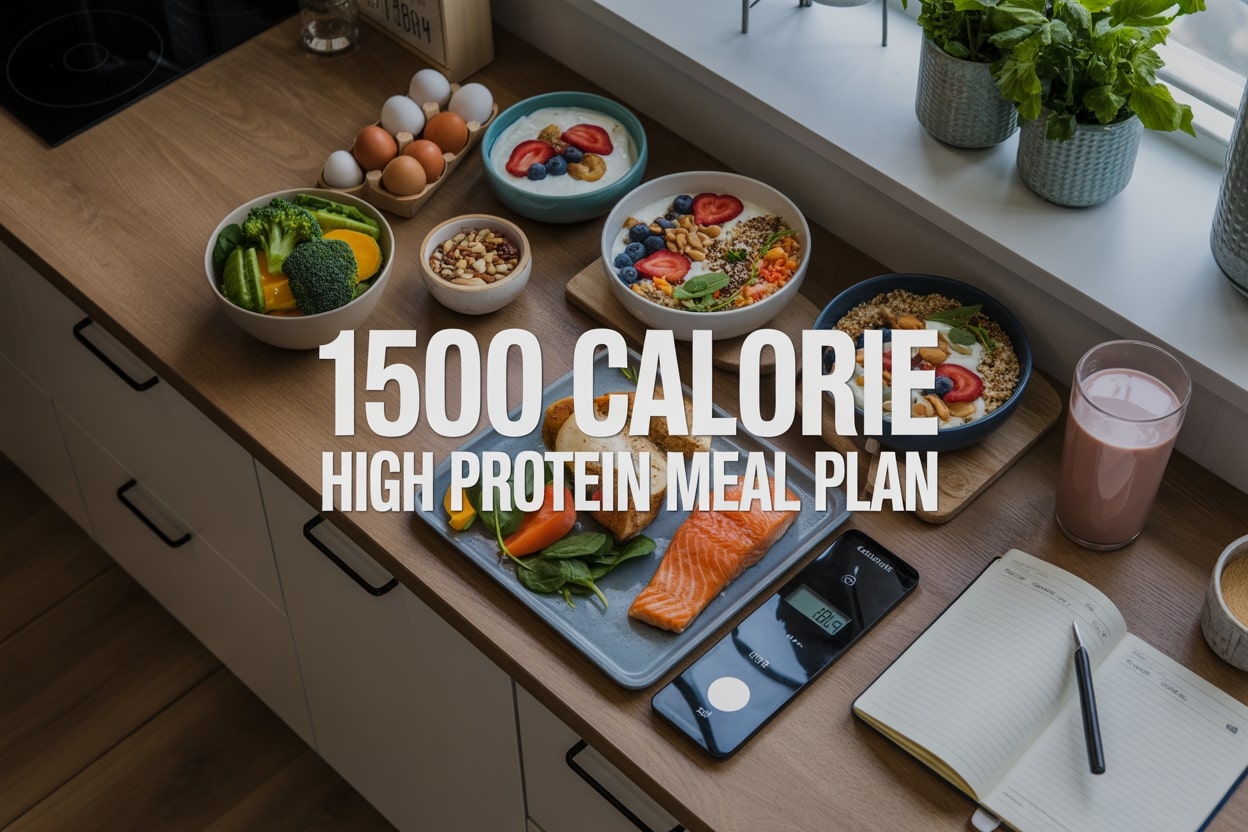
Planning a 1500 calorie meal plan high protein doesn’t have to be complicated or boring. This guide is perfect for busy professionals, fitness enthusiasts, and anyone wanting to lose weight while keeping their muscles happy and their energy levels steady.
Getting the right balance of protein in your meals helps you feel full longer, supports muscle growth, and keeps those afternoon energy crashes at bay. We’ll walk you through everything from quick breakfast fixes that pack a protein punch to dinner recipes that satisfy without breaking your calorie bank.
You’ll discover smart meal prep strategies that save you hours each week and budget-friendly shopping tips that won’t drain your wallet. We’ll also show you how to customize your high protein meal plan whether you’re vegetarian, vegan, or following a low-carb approach.
Ready to transform your eating habits with meals that actually taste good and keep you satisfied? Let’s dive into these protein-rich ideas that make healthy eating feel effortless.
1500 Calorie High Protein Meal Planning Fundamentals

Daily protein requirements for optimal health and muscle maintenance
Most adults need between 0.8 to 1.2 grams of protein per kilogram of body weight daily for basic health maintenance. However, when following a 1500 calorie meal plan high protein, you’ll want to aim higher – around 1.2 to 2.2 grams per kilogram, especially if you’re active or trying to maintain muscle mass during weight loss.
For a typical 150-pound adult, this translates to roughly 80-150 grams of protein per day. When you’re working with 1500 calories, getting 25-35% of those calories from protein sources becomes your sweet spot. This means you’re looking at approximately 94-131 grams of protein daily.
Higher protein intake becomes even more critical when you’re in a caloric deficit. Your body tends to break down muscle tissue for energy when calories are restricted, but adequate protein helps preserve lean muscle mass. Active individuals, older adults, and those recovering from illness benefit from the upper range of protein recommendations.
Quality matters just as much as quantity. Complete proteins containing all essential amino acids – like eggs, fish, chicken, and dairy – should form the foundation of your high protein 1500 calorie meal plan. Plant-based options like quinoa, hemp seeds, and combining legumes with grains also provide complete amino acid profiles.
Macronutrient distribution strategies for balanced nutrition
Creating an effective 1500 calorie high protein meal plan requires strategic macronutrient distribution. The optimal breakdown typically follows a 30-35% protein, 25-30% fat, and 35-40% carbohydrate ratio, though this can be adjusted based on individual needs and preferences.
Here’s a practical breakdown for 1500 calories:
| Macronutrient | Percentage | Calories | Grams |
|---|---|---|---|
| Protein | 30% | 450 | 112g |
| Carbohydrates | 35% | 525 | 131g |
| Fat | 35% | 525 | 58g |
For those following a 1500 calorie meal plan high protein low carb approach, the distribution shifts to approximately 40% protein, 35% fat, and 25% carbohydrates. This creates a more ketogenic-friendly environment while maintaining adequate protein for muscle preservation.
Timing your macronutrients throughout the day optimizes their benefits. Protein should be distributed evenly across meals – aim for 20-30 grams per meal with smaller amounts in snacks. Carbohydrates work best around workout times when your body can immediately use them for energy. Healthy fats help with hormone production and satiety, making them excellent additions to every meal.
The flexibility of macronutrient timing allows you to customize your meal plan 1500 calories high protein around your lifestyle and preferences while maintaining the overall daily targets.
Benefits of controlled calorie intake with high protein focus
A 1500 calorie meal plan high protein for weight loss offers multiple advantages beyond simple weight management. The combination creates a powerful synergy for body composition improvement and metabolic health.
Protein’s thermic effect means your body burns more calories digesting protein compared to carbs or fats – about 20-30% of protein calories are used in digestion alone. This natural metabolism boost helps maximize the effectiveness of your caloric restriction.
Satiety represents another major benefit. Protein triggers the release of hormones like GLP-1 and PYY, which signal fullness to your brain. People following high protein meal plans report feeling satisfied longer between meals, making it easier to stick with their 1500 calories a day high protein meal plan without constant hunger pangs.
Blood sugar stability improves dramatically with higher protein intake. Unlike refined carbohydrates that cause energy spikes and crashes, protein provides steady energy release. This prevents the afternoon energy slumps and sugar cravings that derail many diet attempts.
Muscle preservation during weight loss becomes achievable with adequate protein intake. Traditional low-calorie diets often result in losing both fat and muscle, but a high protein 1500 calorie meal plan helps maintain lean tissue while primarily targeting fat stores for energy.
Recovery and repair processes also benefit from increased protein availability. Whether you’re healing from workouts or everyday cellular maintenance, having sufficient amino acids available supports optimal body function and adaptation.
Breakfast Options for High Protein Start

Greek Yogurt Parfait Combinations with Nuts and Berries
Greek yogurt serves as the perfect protein foundation for your 1500 calorie high protein meal plan, delivering approximately 15-20 grams of protein per serving. Create a satisfying parfait by layering plain Greek yogurt with mixed berries like blueberries, strawberries, and raspberries. Add a crunch factor with chopped almonds, walnuts, or pecans for healthy fats and extra protein.
For a complete breakfast that fits your high protein 1500 calorie meal plan, try this winning combination: 1 cup plain Greek yogurt (150 calories, 20g protein), ½ cup mixed berries (40 calories), and 2 tablespoons chopped almonds (100 calories, 4g protein). Top with a drizzle of honey and cinnamon for natural sweetness without excess calories.
Mix up your parfait game by alternating between different nut and seed combinations. Pumpkin seeds, chia seeds, and hemp hearts boost the protein content while adding essential omega-3 fatty acids. These simple swaps keep your breakfast interesting while maintaining the protein targets essential for your meal plan success.
Protein-Packed Egg Dishes with Vegetables
Eggs remain unbeatable for morning protein, offering all essential amino acids your body needs. A two-egg scramble provides around 12 grams of high-quality protein, making it perfect for your 1500 calorie high protein diet meal plan goals.
Transform basic scrambled eggs into nutrient powerhouses by adding colorful vegetables. Spinach, bell peppers, mushrooms, and tomatoes not only boost fiber and vitamins but also add volume without significant calories. Create a veggie omelet using 2 whole eggs plus 2 egg whites for 18 grams of protein while keeping calories around 200.
Quick Egg Dish Ideas:
- Spinach and feta scramble with herbs
- Bell pepper and onion frittata squares
- Mushroom and cheese mini quiches (crustless)
- Egg and avocado breakfast bowl with salsa
Make-ahead egg muffins work brilliantly for busy mornings. Whisk eggs with your favorite vegetables, pour into muffin tins, and bake. These protein-rich portions fit seamlessly into your weekly meal prep routine.
High-Protein Smoothie Bowls with Plant-Based Additions
Smoothie bowls deliver protein punch while feeling like dessert for breakfast. Start with a protein powder base (20-25 grams protein) blended with frozen fruits and minimal liquid for a thick, spoon-able consistency that supports your simple 1500 calorie meal plan high protein objectives.
Create the ultimate protein smoothie bowl by blending vanilla protein powder with frozen berries, half a banana, and unsweetened almond milk. Pour into a bowl and top with sliced almonds, coconut flakes, and fresh berries. This combination typically provides 25-30 grams of protein while staying under 350 calories.
Plant-based protein additions elevate your smoothie bowl game significantly. Hemp seeds contribute complete proteins, while almond butter adds creaminess and healthy fats. Chia seeds create interesting texture while boosting protein and fiber content.
Top Smoothie Bowl Combinations:
- Chocolate protein + banana + peanut butter + cacao nibs
- Vanilla protein + mango + coconut + macadamia nuts
- Berry protein + spinach + almond butter + granola
Overnight Oats with Protein Powder Enhancements
Overnight oats streamline your morning routine while delivering sustained energy and protein for your 1500 calorie high protein meal plan. Mix rolled oats with protein powder, milk of choice, and your favorite add-ins the night before for grab-and-go convenience.
The magic formula starts with ½ cup rolled oats, 1 scoop protein powder, and ¾ cup liquid. This base provides approximately 25 grams of protein and 300 calories. Greek yogurt can replace some liquid for extra protein density, pushing totals closer to 30 grams.
Flavor variations keep overnight oats exciting throughout your meal planning journey. Chocolate protein powder pairs beautifully with banana and peanut butter, while vanilla works perfectly with berries and cinnamon. Add chia seeds for omega-3s and extra protein, or incorporate chopped nuts for satisfying crunch.
Winning Overnight Oats Combinations:
| Flavor Profile | Base Ingredients | Protein Content | Calories |
|---|---|---|---|
| Chocolate PB | Chocolate protein + banana + PB2 | 28g | 320 |
| Berry Vanilla | Vanilla protein + mixed berries + almonds | 26g | 290 |
| Apple Cinnamon | Vanilla protein + apple + walnuts | 24g | 310 |
Prep multiple jars Sunday evening to support your weekly meal prep strategy and ensure consistent protein intake throughout your high protein meal plan 1500 calories journey.
Power-Packed Lunch Ideas for Sustained Energy

Lean protein salad bowls with quinoa and legumes
Building a nutrient-dense salad bowl starts with choosing the right foundation. Quinoa serves as an excellent base, providing all nine essential amino acids while keeping your 1500 calorie high protein meal plan on track. A single cup of cooked quinoa delivers 8 grams of protein and pairs beautifully with various legumes like chickpeas, black beans, or lentils.
Create a Mediterranean-inspired bowl by combining quinoa with chickpeas, diced cucumber, cherry tomatoes, and crumbled feta cheese. This combination provides approximately 25-30 grams of protein per serving. For a Mexican twist, mix quinoa with black beans, corn, diced bell peppers, and a sprinkle of cotija cheese, topped with a lime-cilantro dressing.
Lentil-quinoa combinations work exceptionally well for vegetarian high protein options. Red lentils cook quickly and absorb flavors beautifully, while green lentils maintain their texture and add a satisfying bite. A curry-spiced bowl with quinoa, green lentils, roasted sweet potato, and Greek yogurt dressing creates a filling lunch that supports your high protein 1500 calorie meal plan goals.
| Protein Bowl Combination | Protein Content | Calories (approx.) |
|---|---|---|
| Quinoa + Chickpeas + Feta | 28g | 420 |
| Quinoa + Black Beans + Cheese | 25g | 390 |
| Quinoa + Lentils + Greek Yogurt | 32g | 450 |
Grilled chicken and turkey wrap variations
Wraps offer incredible versatility for your simple 1500 calorie meal plan high protein requirements. Start with high-protein tortillas or whole wheat wraps that contain 8-10 grams of protein each. Grilled chicken breast provides lean protein while staying within your calorie budget – a 4-ounce serving contains about 185 calories and 35 grams of protein.
Buffalo chicken wraps combine grilled chicken with Greek yogurt-based buffalo sauce, shredded lettuce, and diced celery. This creates a satisfying lunch with approximately 40 grams of protein. Turkey and avocado wraps work wonderfully with sliced turkey breast, mashed avocado, spinach, and a touch of hummus for added protein and flavor.
Consider Asian-inspired chicken lettuce wraps using butter lettuce as the wrapper. Fill them with seasoned ground chicken, water chestnuts, and a protein-rich peanut sauce made with natural peanut butter. These wraps are naturally low in carbs while maintaining high protein content, perfect for a 1500 calorie high protein low carb meal plan approach.
For meal prep efficiency, prepare your proteins in bulk and store wrap fillings separately. This prevents soggy wraps while ensuring you have quick, protein-rich lunch options throughout the week.
Fish-based meals with seasonal vegetables
Fish provides some of the highest quality protein available, with most varieties offering 20-25 grams per 4-ounce serving. Salmon, cod, and tilapia work exceptionally well for quick lunch preparations. Baked salmon with roasted Brussels sprouts and sweet potato creates a balanced meal that fits perfectly into your 1500 calorie meal plan high protein for weight loss goals.
Sheet pan meals simplify preparation while maximizing nutrition. Arrange cod fillets alongside seasonal vegetables like zucchini, bell peppers, and cherry tomatoes. Season with herbs and a light drizzle of olive oil, then bake everything together. This method preserves the fish’s delicate texture while creating a complete meal in under 30 minutes.
Tuna and white bean salad offers another excellent option, combining canned tuna with cannellini beans, diced red onion, and fresh herbs. This protein-packed combination provides approximately 35 grams of protein and works well served over mixed greens or stuffed into a whole grain pita.
Fish tacos using grilled mahi-mahi or cod with shredded cabbage slaw create a restaurant-quality lunch at home. Use corn tortillas and top with Greek yogurt instead of sour cream to boost protein content while maintaining authentic flavors.
Vegetarian protein combinations using tofu and tempeh
Plant-based proteins require strategic combining to create complete amino acid profiles in your 1500 calorie vegetarian meal plan high protein. Tofu’s mild flavor makes it incredibly versatile – marinate extra-firm tofu in soy sauce, garlic, and ginger, then pan-fry until golden for a protein-rich base that contains about 20 grams of protein per serving.
Tempeh offers a nutty flavor and firmer texture than tofu, with approximately 15 grams of protein per 3-ounce serving. Create a satisfying tempeh and vegetable stir-fry using broccoli, snap peas, and carrots. The fermentation process in tempeh also provides beneficial probiotics, adding digestive health benefits to your high protein meal plan 1500 calories.
Buddha bowls featuring both tofu and tempeh maximize protein intake while providing variety. Layer brown rice with marinated tofu, crumbled tempeh, edamame, and tahini dressing for a complete meal containing over 30 grams of plant-based protein.
Tofu scrambles work wonderfully for lunch, especially when combined with nutritional yeast for added B-vitamins and a cheese-like flavor. Add vegetables like spinach, mushrooms, and bell peppers to create a satisfying meal that supports your protein goals without relying on animal products.
Satisfying Dinner Recipes for Evening Nutrition

Lean beef and pork preparations with complex carbohydrates
Beef and pork pack serious protein power for your 1500 calorie high protein meal plan, delivering all essential amino acids your muscles crave. A 4-ounce serving of lean beef sirloin provides about 26 grams of protein while keeping calories around 200. Pair this with roasted sweet potato wedges and steamed broccoli for a complete dinner that stays within your calorie budget.
Try this winning combo: seasoned lean ground beef (93/7) formed into patties, grilled to perfection, and served alongside quinoa pilaf with mixed vegetables. The quinoa adds complex carbs and extra protein, making this a double win for your high protein 1500 calorie meal plan. Season the beef with garlic powder, paprika, and black pepper for maximum flavor without extra calories.
Pork tenderloin works beautifully in your rotation too. This lean cut offers 24 grams of protein per 3-ounce serving. Slice it thin, stir-fry with bell peppers and snap peas, then serve over brown rice. The combination keeps you satisfied while hitting your protein targets.
For meal prep success, marinate your proteins the night before. A simple marinade of balsamic vinegar, herbs, and a touch of olive oil transforms basic cuts into restaurant-quality meals. Batch cook your complex carbs like wild rice or barley on Sundays, then reheat throughout the week.
Seafood dishes paired with nutrient-dense sides
Seafood shines as the star of your 1500 calorie meal plan high protein dinner rotation. Fish and shellfish deliver complete proteins with bonus omega-3 fatty acids that support heart health and reduce inflammation. Salmon, cod, and shrimp become your best friends when building satisfying evening meals.
Baked cod with herb crust creates an elegant dinner that’s surprisingly simple. A 5-ounce portion gives you 28 grams of protein for just 140 calories. Coat the fish with a mixture of whole wheat panko, fresh herbs, and a light spritz of olive oil cooking spray. Serve alongside roasted asparagus and a small portion of mashed cauliflower mixed with Greek yogurt for extra protein.
Shrimp stir-fries work magic for quick weeknight dinners. Eight large shrimp provide 20 grams of protein and cook in minutes. Toss them with zucchini noodles, cherry tomatoes, and a light pesto made from basil, pine nuts, and a touch of parmesan. This combination keeps carbs moderate while maximizing nutrients.
Salmon paired with roasted Brussels sprouts and sweet potato creates a powerhouse meal. The fish provides healthy fats alongside protein, while the vegetables add fiber and vitamins. Season everything with lemon, garlic, and fresh dill for bright flavors that make eating healthy feel indulgent.
Plant-based protein dinners with complete amino acid profiles
Plant-based dinners can absolutely meet your high protein meal plan 1500 calories requirements when you combine the right ingredients. The key lies in understanding how to create complete amino acid profiles using complementary plant proteins throughout your meal.
Lentil and quinoa stuffed bell peppers deliver approximately 18 grams of complete protein per serving. Cook red lentils with vegetable broth, then mix with cooked quinoa, diced tomatoes, and nutritional yeast. The combination creates a complete protein while the peppers add vitamins and fiber. Top with a sprinkle of hemp seeds for extra protein boost.
Black bean and brown rice bowls become your go-to comfort meal. This classic combination provides all essential amino acids when eaten together. Build your bowl with seasoned black beans, brown rice, roasted vegetables, and a dollop of tahini-based dressing. Add pumpkin seeds for crunch and extra protein.
Chickpea curry over cauliflower rice offers another winning combination for your 1500 calorie vegetarian meal plan high protein. Simmer chickpeas in coconut milk with curry spices, tomatoes, and spinach. The legumes provide substantial protein while the spices boost metabolism and add anti-inflammatory benefits.
Tofu and tempeh rotate beautifully in your weekly menu. Marinated and grilled tofu paired with quinoa tabbouleh creates a Mediterranean-inspired dinner. Tempeh crumbles work perfectly in pasta dishes with whole grain noodles and plenty of vegetables, creating satisfying meals that support your protein goals without exceeding calorie limits.
Strategic Snacking Solutions Between Meals

Portable Protein Snacks for Busy Schedules
When your day gets hectic, having grab-and-go protein snacks can make all the difference in sticking to your 1500 calorie high protein meal plan. Hard-boiled eggs are the ultimate portable powerhouse, delivering 6 grams of protein per egg and staying fresh for up to a week in your fridge. Pack two eggs for a quick 12-gram protein boost that fits perfectly into your daily goals.
Greek yogurt cups with a handful of berries offer another convenient option, providing 15-20 grams of protein while satisfying sweet cravings. Look for single-serving containers to control portions and avoid overeating. String cheese paired with a small apple delivers both protein and fiber, keeping you satisfied between meals without derailing your calorie targets.
Protein-rich jerky options have evolved beyond basic beef. Turkey, salmon, and even plant-based varieties offer 10-15 grams of protein per serving. Read labels carefully to avoid excessive sodium and added sugars that can sabotage your high protein 1500 calorie meal plan.
Tuna packets require no refrigeration and pack 20 grams of protein per pouch. Mix with a few whole grain crackers or eat straight from the package when time is tight. Roasted chickpeas seasoned with your favorite spices provide plant-based protein plus satisfying crunch.
Homemade Protein Bars and Energy Bites
Creating your own protein bars gives you complete control over ingredients while saving money compared to store-bought versions. A basic recipe combines protein powder, nut butter, oats, and a natural sweetener like honey or dates. This combination typically yields bars containing 15-20 grams of protein each.
No-bake energy bites take just minutes to prepare and store well in the refrigerator for up to two weeks. Mix rolled oats, ground flaxseed, protein powder, almond butter, and mini dark chocolate chips. Roll into bite-sized portions for a perfect afternoon snack that supports your 1500 calorie meal plan high protein goals.
Peanut butter protein balls using vanilla protein powder, natural peanut butter, and rolled oats create satisfying treats that taste like dessert but fuel your body properly. Add chia seeds for extra fiber and omega-3 fatty acids. Each ball typically contains 8-10 grams of protein.
Chocolate protein bars made with cocoa powder, cashew butter, and vanilla protein powder satisfy chocolate cravings while contributing valuable protein to your daily intake. Press the mixture into a lined pan, refrigerate until firm, then cut into individual servings.
Dairy-Based Options for Calcium and Protein Boost
Cottage cheese deserves a comeback in your snack rotation. A half-cup serving provides 14 grams of protein and pairs beautifully with fresh fruit, vegetables, or nuts. Try it with sliced peaches for a sweet treat or with cucumber and dill for a savory option that fits your simple 1500 calorie meal plan high protein approach.
Ricotta cheese offers versatility beyond pasta dishes. Mix it with cinnamon and a drizzle of honey for a dessert-like snack, or blend with herbs and spread on whole grain crackers. Two tablespoons deliver about 7 grams of protein while providing calcium for bone health.
Kefir smoothies blend easily with frozen berries and a scoop of protein powder for an incredibly nutrient-dense snack. This fermented milk drink contains probiotics for digestive health plus 8-10 grams of protein per cup. The tangy flavor pairs well with sweet fruits and makes an excellent post-workout refuel option.
Plain Greek yogurt mixed with protein powder creates a thick, pudding-like consistency that satisfies dessert cravings. Add fresh berries, chopped nuts, or a tablespoon of natural nut butter to boost both flavor and nutrition while staying within your calorie parameters.
Nut and Seed Combinations for Healthy Fats
Smart nut and seed combinations provide protein alongside healthy fats that help you feel satisfied longer. A quarter-cup portion of mixed almonds, pumpkin seeds, and sunflower seeds delivers approximately 8 grams of protein plus beneficial monounsaturated fats that support heart health and hormone production.
Trail mix becomes more nutritious when you create your own blend focused on protein-rich ingredients. Combine raw almonds, cashews, pumpkin seeds, and a small amount of dark chocolate chips or dried fruit. Keep portions controlled since nuts are calorie-dense, but the protein and healthy fats make this snack incredibly satisfying.
Nut butter paired with celery sticks or apple slices creates the perfect balance of protein, healthy fats, and fiber. Two tablespoons of almond butter provide 8 grams of protein, while the fiber from vegetables or fruit helps slow digestion and maintain steady blood sugar levels throughout your day.
Chia seed pudding made with unsweetened almond milk and vanilla protein powder creates a creamy, satisfying snack that can be prepared in advance. Top with chopped nuts for extra crunch and protein. This combination supports your high protein meal plan 1500 calories while providing omega-3 fatty acids and fiber for optimal nutrition.
Weekly Meal Prep Strategies for Success

Batch Cooking Techniques for Protein Sources
Planning a successful 1500 calorie meal plan high protein starts with smart batch cooking strategies. Cook large quantities of lean proteins every 3-4 days to maintain freshness while saving valuable kitchen time. Focus on versatile proteins like chicken breast, lean ground turkey, and hard-boiled eggs that work across multiple meals.
Dedicate 2-3 hours on weekends to cook proteins in bulk. Bake chicken breasts at 375°F seasoned with different herb blends – Mediterranean, Mexican, and Asian-inspired flavors provide variety throughout the week. Cook ground turkey in large batches, seasoning portions differently for tacos, pasta sauce, and stir-fries.
Hard-boil a dozen eggs at once using the instant pot method – place eggs in steamer basket, add water, cook high pressure for 5 minutes, then quick release. These become instant protein additions to salads, breakfast bowls, and snacks.
Prepare plant-based proteins like quinoa, lentils, and chickpeas in large quantities. Cook 2 cups of dry quinoa to yield 6 cups cooked, perfect for grain bowls and salad bases. Slow cook dried beans overnight or use a pressure cooker for 20-minute preparation.
Marinate proteins before cooking to enhance flavor without added calories. Simple marinades using lemon juice, herbs, and minimal oil create restaurant-quality taste while keeping your high protein meal plan 1500 calories on track.
Storage and Portioning Methods for Freshness
Proper storage techniques ensure your 1500 calorie high protein meal plan ingredients stay fresh and safe. Invest in quality glass containers with tight-fitting lids for optimal freshness and easy reheating. Divide cooked proteins into 4-6 oz portions immediately after cooking while still warm.
Store different proteins using specific methods for maximum freshness. Cooked chicken and turkey stay fresh for 3-4 days in refrigerator containers or up to 3 months when frozen in vacuum-sealed bags. Label containers with cooking date and protein type to track freshness easily.
Use the freezer strategically for your meal plan 1500 calories high protein success. Portion proteins into individual servings before freezing – this prevents having to defrost more than needed. Freeze marinated raw chicken in ziplock bags for quick weeknight cooking.
Create a portioning system using measuring cups and a kitchen scale. Most adults need 4-6 oz of protein per main meal for a 1500 calorie high protein diet meal plan. Pre-portion proteins immediately after cooking to eliminate guesswork during busy weekdays.
Store prepared ingredients separately from sauces and dressings to prevent soggy textures. Keep cut vegetables, cooked grains, and proteins in separate containers, then combine when ready to eat. This method maintains food quality and allows mix-and-match meal combinations.
Time-Saving Preparation Tips for Busy Lifestyles
Transform your 1500 calorie meal plan high protein into a streamlined system with strategic preparation shortcuts. Dedicate Sunday afternoons to washing, chopping, and pre-cooking ingredients that form the foundation of your weekly meals.
Create assembly-line meal prep by organizing similar tasks together. Wash all vegetables at once, then chop everything before moving to protein preparation. This systematic approach cuts total prep time by 40% compared to preparing individual meals.
Use kitchen tools that multiply your efficiency. A food processor quickly shreds vegetables for salads and stir-fries. An instant pot cooks proteins and grains simultaneously using the pot-in-pot method. Sheet pan cooking allows you to prepare proteins and vegetables together in one step.
Prepare grab-and-go protein snacks to support your simple 1500 calorie meal plan high protein goals. Mix Greek yogurt with protein powder in individual containers. Pre-portion nuts, seeds, and string cheese into small containers for quick protein boosts between meals.
Double recipes when cooking to create built-in leftovers. Make extra quinoa salad, protein-packed soups, or egg muffins that serve as backup meals during especially busy weeks. Store these extras in single-serving containers for instant access.
Keep emergency proteins on hand for unexpected schedule changes. Canned tuna, protein powder, and frozen pre-cooked chicken strips ensure you never derail your high protein 1500 calorie meal plan due to time constraints.
Budget-Friendly Shopping Tips for High Protein Foods

Cost-effective protein sources and seasonal selections
Building a 1500 calorie meal plan high protein doesn’t require breaking the bank. Smart shoppers know that eggs reign supreme as the most affordable complete protein, often costing less than $0.25 per serving. Canned tuna and salmon provide excellent value at around $1 per can, delivering 20-25 grams of protein. Dried legumes like lentils, black beans, and chickpeas cost pennies per serving while packing 15 grams of protein per cooked cup.
Seasonal shopping amplifies savings dramatically. Summer brings cheaper fresh fish at coastal markets, while fall offers discounted turkey after holidays. Spring vegetables like asparagus pair beautifully with budget proteins, and winter root vegetables stretch protein portions in hearty stews. Frozen protein sources often cost 30-40% less than fresh equivalents without sacrificing nutritional value.
| Protein Source | Cost per serving | Protein per serving | Best season |
|---|---|---|---|
| Eggs | $0.25 | 12g | Year-round |
| Canned tuna | $1.00 | 25g | Year-round |
| Dried lentils | $0.15 | 15g | Fall/Winter |
| Chicken thighs | $1.50 | 30g | Summer |
Bulk buying strategies for pantry staples
Warehouse stores transform your simple 1500 calorie meal plan high protein into an economical powerhouse. Purchase proteins like chicken breast in 10-pound bags, then portion and freeze immediately. This strategy reduces per-pound costs by up to 40%. Bulk quinoa, brown rice, and oats provide complex carbohydrates that complement protein sources while lasting months in proper storage.
Create a rotation system for frozen proteins. Buy different varieties monthly – one month focus on fish, the next on poultry, then lean beef. This prevents meal fatigue while maximizing bulk discounts. Protein powder becomes incredibly economical when purchased in 5-10 pound containers, offering consistent protein boosts for smoothies and recipes.
Storage containers become crucial investments. Vacuum-sealed bags extend freezer life to 12 months, while airtight containers keep dry goods fresh indefinitely. Label everything with purchase and freeze dates to maintain a first-in, first-out system.
Generic brand alternatives without compromising quality
Store brands deliver identical nutritional profiles at 20-50% lower costs than name brands. Greek yogurt, cottage cheese, and milk powder maintain the same protein content regardless of packaging. Many generic products originate from the same facilities as premium brands, just with different labels.
Compare nutrition labels rather than trusting marketing claims. Generic canned beans often contain more protein per serving than expensive “premium” versions. Frozen vegetables frequently surpass fresh options in both cost and nutrient retention, especially for out-of-season produce.
Quality indicators remain consistent across brands. Check expiration dates, ingredient lists, and protein content per serving. Generic peanut butter, for instance, often contains fewer additives than name brands while delivering identical protein levels. Store-brand protein bars and shakes typically offer better value per gram of protein.
Local market options for fresh ingredients
Farmers markets provide direct access to seasonal proteins at competitive prices. Local farmers often sell whole chickens, farm-fresh eggs, and seasonal fish at 20-30% below supermarket prices. Building relationships with vendors frequently leads to bulk discounts and advance notice of special deals.
Community-supported agriculture (CSA) programs extend beyond vegetables. Many now include meat shares, providing monthly deliveries of locally-raised proteins at wholesale prices. These programs guarantee consistent quality while supporting local agriculture.
Ethnic markets offer incredible protein diversity at reduced costs. Asian markets feature affordable tofu varieties, while Latin markets stock economical cuts of meat perfect for slow cooking. Middle Eastern stores provide excellent deals on legumes, nuts, and alternative protein sources that enhance any high protein meal plan 1500 calories.
Local fishing communities often sell directly to consumers, bypassing retail markups. Coastal areas provide access to fresh catches at fraction of supermarket costs. Even inland areas benefit from local fish farms offering fresh protein options year-round.
Customizing Plans for Different Dietary Preferences

Vegetarian and Vegan High Protein Adaptations
Creating a 1500 calorie meal plan high protein for vegetarians and vegans requires strategic protein source selection and creative meal combinations. Plant-based proteins can absolutely meet your daily protein goals when properly planned and portioned.
For vegetarians, incorporate eggs, Greek yogurt, cottage cheese, and whey protein powder as primary protein sources. A typical day might include:
- Breakfast: Greek yogurt parfait with hemp seeds and berries (25g protein)
- Lunch: Lentil and quinoa salad with feta cheese (30g protein)
- Dinner: Black bean and tofu stir-fry with edamame (35g protein)
Vegans need to focus on complete proteins and protein combining. Essential vegan protein sources include:
| Protein Source | Protein per Serving |
|---|---|
| Tempeh (4 oz) | 22g |
| Seitan (3.5 oz) | 25g |
| Hemp seeds (3 tbsp) | 10g |
| Nutritional yeast (2 tbsp) | 8g |
| Chickpea flour (1/2 cup) | 11g |
A high protein vegan meal plan 1500 calories should emphasize legume-grain combinations like beans with quinoa, or nut-seed pairings. Protein powder smoothies become essential for meeting daily targets, especially for a 1500 calorie vegan meal plan high protein.
Gluten-Free Modifications for Celiac-Friendly Options
Adapting a 1500 calorie high protein meal plan for gluten-free needs focuses on naturally gluten-free protein sources and careful grain substitutions. Many high-protein foods are naturally gluten-free, making this adaptation straightforward.
Replace wheat-based proteins with these alternatives:
- Instead of seitan: Use tofu, tempeh, or legume-based proteins
- Instead of wheat protein powder: Choose rice, pea, or hemp protein
- Instead of regular oats: Use certified gluten-free oats
- Instead of wheat pasta: Try chickpea, lentil, or quinoa pasta
Key gluten-free protein sources for your meal plan:
- Quinoa (complete protein): 8g per cooked cup
- Amaranth: 9g per cooked cup
- Buckwheat: 6g per cooked cup
- All beans and legumes
- Nuts and seeds
- Lean meats, fish, eggs, and dairy
Sample gluten-free high-protein day:
- Breakfast: Quinoa breakfast bowl with almond butter and protein powder
- Lunch: Grilled chicken salad with chickpeas and pumpkin seeds
- Dinner: Salmon with roasted vegetables and amaranth pilaf
Always verify that processed foods, sauces, and seasonings are certified gluten-free to avoid hidden gluten sources.
Dairy-Free Alternatives for Lactose Intolerant Individuals
Creating a 1500 calorie meal plan high protein without dairy requires replacing traditional protein sources like milk, yogurt, and cheese with plant-based alternatives that maintain protein density.
Effective dairy-free protein swaps:
| Dairy Product | Dairy-Free Alternative | Protein Content |
|---|---|---|
| Greek yogurt (1 cup) | Coconut yogurt + protein powder | 20-25g |
| Cottage cheese (1 cup) | Silken tofu blend | 10-12g |
| Milk protein shake | Pea protein + oat milk | 20-25g |
| Cheese (1 oz) | Nutritional yeast + nuts | 4-6g |
Plant-based milk options vary significantly in protein content. Choose wisely:
- Soy milk: 7g per cup (highest protein)
- Pea protein milk: 8g per cup
- Oat milk: 3g per cup
- Almond milk: 1g per cup
For a simple 1500 calorie meal plan high protein without dairy, focus on:
- Morning: Smoothie with pea protein, soy milk, and nut butter
- Midday: Tofu scramble with vegetables and avocado
- Evening: Lentil curry with coconut milk and quinoa
Supplement with calcium-fortified plant milks and consider B12 supplementation if eliminating all animal products. Cashew-based cheese alternatives and coconut yogurt can satisfy cravings while maintaining your protein targets.

A well-planned 1500 calorie high protein diet can transform your approach to healthy eating. From protein-rich breakfasts that jumpstart your metabolism to satisfying dinners that keep you full through the night, the right combination of foods makes all the difference. Smart snacking and strategic meal prep help you stay on track without the daily stress of figuring out what to eat.
The key to success lies in preparation and flexibility. Stock your kitchen with budget-friendly protein sources, batch cook your meals on weekends, and adapt recipes to fit your specific dietary needs. Start small by planning just three days ahead, then gradually work up to full weekly meal prep. Your body will thank you for the consistent nutrition, and your wallet will appreciate the money saved from avoiding last-minute takeout orders.
FAQs
What is a 1500 calorie high protein meal plan?
A 1500 calorie high protein meal plan is a daily eating schedule that limits your total food intake to 1500 calories while focusing on foods rich in protein. This approach typically includes 25-30% of calories from protein sources like lean meats, fish, eggs, dairy, beans, and nuts to help maintain muscle mass while creating a calorie deficit for weight management.
How much protein should I eat on a 1500 calorie diet?
On a 1500 calorie diet, you should aim for 94-140 grams of protein daily. This equals about 25-37% of your total calories from protein. For most people, targeting around 120 grams of protein per day works well and helps maintain muscle while supporting weight loss goals.
Is 1500 calories enough for everyone?
No, 1500 calories is not suitable for everyone. This calorie level typically works for women who want to lose weight or smaller, less active individuals. Men, active people, pregnant women, and those with higher metabolic needs usually require more calories. Always consult with a healthcare provider before starting any restricted calorie plan.
What are the best high protein foods for a 1500 calorie meal plan?
The best high protein foods include lean chicken breast, fish like salmon and tuna, eggs, Greek yogurt, cottage cheese, tofu, lentils, black beans, quinoa, and lean beef. These foods provide quality protein while keeping calories manageable and offering other important nutrients.
Can I lose weight following a 1500 calorie high protein meal plan?
Yes, many people can lose weight on a 1500 calorie high protein meal plan, especially if their daily calorie needs are higher than 1500. The high protein content helps preserve muscle mass during weight loss and can increase feelings of fullness, making it easier to stick to the calorie limit.
How should I divide my meals throughout the day?
A good approach is to divide your 1500 calories into three main meals of about 400-500 calories each, plus one or two small snacks of 100-200 calories. For example: breakfast (400 calories), lunch (450 calories), dinner (500 calories), and two snacks (150 calories each).
What does a typical day of meals look like on this plan?
A typical day might include: breakfast with Greek yogurt and berries (300 calories), lunch with grilled chicken salad (450 calories), dinner with baked salmon and vegetables (500 calories), and snacks like almonds or string cheese (250 calories total). Each meal emphasizes protein while including vegetables and some healthy carbs.
Are there vegetarian options for high protein 1500 calorie meal plans?
Yes, vegetarians can follow this plan using plant-based proteins like tofu, tempeh, lentils, chickpeas, quinoa, Greek yogurt, eggs, and protein powder. Combinations like rice and beans, or hummus with whole grain pita, provide complete proteins while staying within the calorie limit.
How long can I safely follow a 1500 calorie meal plan?
The safety duration depends on your individual needs and health status. Some people can follow this plan for several months under medical supervision, while others may need it only temporarily. It’s important to monitor your energy levels, mood, and overall health, and consult with a healthcare provider for personalized guidance.
What are common mistakes to avoid on a 1500 calorie high protein diet?
Common mistakes include not drinking enough water, skipping meals which leads to overeating later, focusing only on protein while ignoring vegetables and healthy fats, not planning meals ahead of time, and not adjusting the plan based on your activity level. Also avoid cutting calories too drastically or ignoring hunger signals consistently.