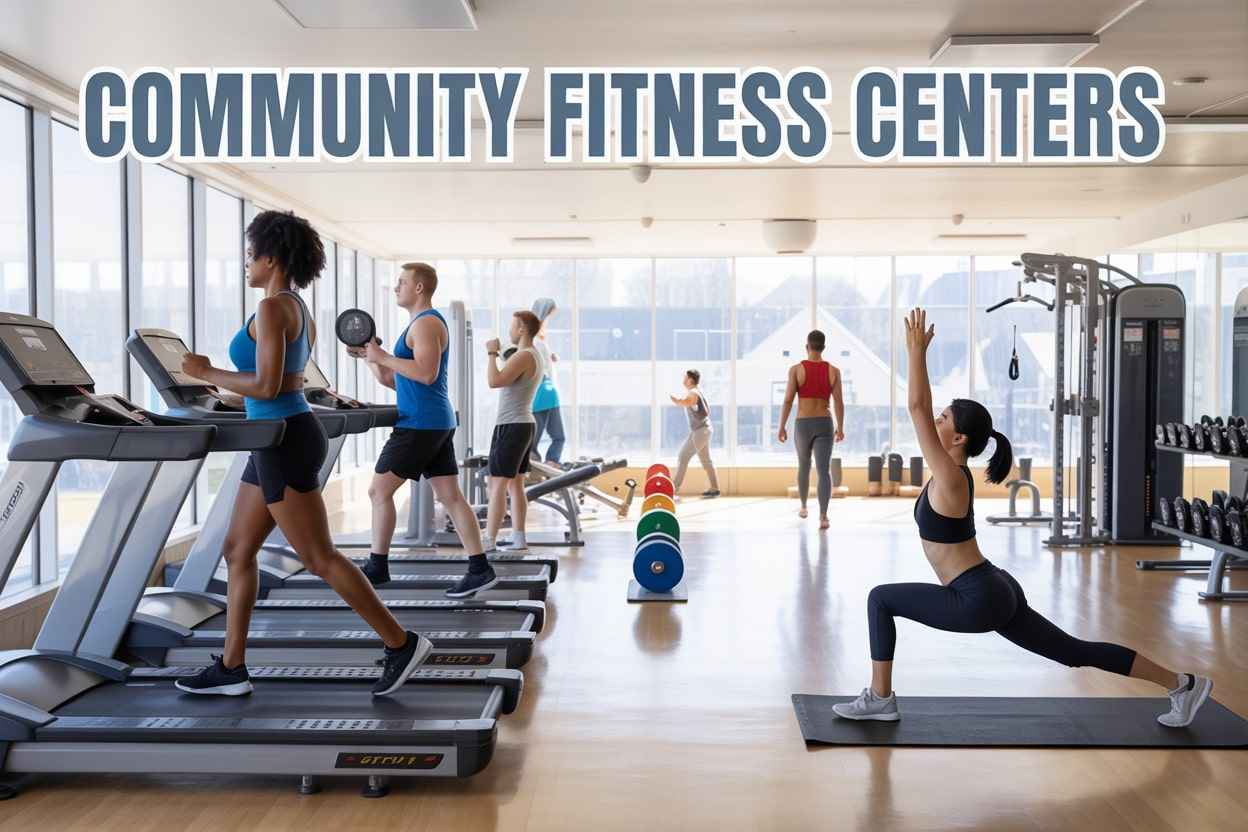
What is a fitness center beyond just a place with weights and treadmills? These community hubs serve as gathering spots where neighbors build healthier lifestyles together, from families enjoying aquatic centers to college students using campus recreation facilities.
This guide is for residents, community leaders, and anyone else interested in understanding how fitness centers influence neighborhoods. From deciding to join a local fitness center to campaigning for new facilities in your community, read on to understand how these organizations engage the public — and, in turn, guide informed decision-making.
We will examine how community fitness centers contribute to local health and wellness by offering the same kinds of programs that our other fit-minded businesses specialize in, such as those that bring people together around common goals. You’ll also hear why pools and recreation fitness centers are the heart of so many communities, teaching kids to swim or connecting neighbors through senior water aerobics classes that span generations.
What Is a Fitness Center and How It Functions in Real Communities

What is a fitness center in practical day-to-day use
A gym is designed to be a holistic health and fitness center; more than just another place to pump iron. It’s a place where, in real-world use cases, people of all levels come together to take care of their physical health, mental well-being, and relationships with friends.
If you think of it as a sterile place, with people exercising in silence and nobody making noise – well, that’s not what you’ll find when you walk into fitness centers from early morning to late at night; they host everything from high-intensity group classes to gentle senior water aerobics.
These gyms generally offer cardio and weight equipment, group fitness classes, and may include a pool. Members of the staff are certified personal trainers, fitness instructors, and maintenance workers who help keep the space running smoothly. They may begin the day with a 6 AM spin class, jump in the shower, and go straight to work, or they might curb stress after work with an evening yoga session.
How fitness centers differ from commercial gyms and private studios
The distinction between fitness centers and commercial gyms lies in their community-focused approach and broader range of amenities. While commercial gyms often prioritize profit margins and equipment density, fitness centers emphasize member experience and community building. Many fitness centers operate as non-profit organizations or receive municipal funding, allowing them to offer more affordable membership rates and specialized programs for different demographics.
| Feature | Fitness Centers | Commercial Gyms | Private Studios |
|---|---|---|---|
| Primary Focus | Community wellness | Profit-driven | Specialized training |
| Membership Cost | Often subsidized | Market rates | Premium pricing |
| Program Variety | Extensive, all-ages | Limited specialization | Narrow focus |
| Community Events | Regular programming | Minimal | Rarely |
Private studios typically focus on specific disciplines like yoga, pilates, or martial arts, serving smaller client bases with personalized attention. Fitness centers bridge this gap by offering specialized programs within a larger community setting.
Why places like Nelson Fitness Center and Davidson Fitness Center serve more than workouts
Community fitness centers like Nelson Fitness Center and Davidson Fitness Center function as social anchors in their neighborhoods. These facilities host birthday parties in their pools, provide meeting spaces for local clubs, and offer summer camps for children. They become gathering places where neighbors meet, friendships form, and community bonds strengthen.
The programming extends far beyond traditional fitness classes. Many centers offer:
- Senior wellness programs that combat isolation
- Youth sports leagues and swimming lessons
- Health screenings and wellness seminars
- Special events like family fun nights
- Support groups and educational workshops
These centers often partner with local healthcare providers, schools, and community organizations to address broader public health needs. When someone joins Davidson Fitness Center, they’re not just getting gym access – they’re connecting with a network of support that can impact multiple aspects of their life.
The role of fitness center cleaning in maintaining safe shared spaces
Fitness center cleaning represents a critical but often invisible aspect of daily operations. Professional cleaning protocols ensure that shared equipment, locker rooms, and pool areas remain hygienic for hundreds of daily users. This goes beyond basic janitorial work – it requires specialized knowledge of disinfection procedures, proper ventilation systems, and equipment maintenance.
Cleaning schedules typically run around the clock, with deep sanitization during off-peak hours and continuous maintenance throughout operating times. Staff wipe down equipment between uses, monitor water quality in pools, and maintain air filtration systems. The COVID-19 pandemic elevated these practices to new standards, with many centers implementing enhanced cleaning protocols that continue today.
Members play a role, too, with most centers providing cleaning stations and encouraging equipment wiping after use. This collaborative approach creates a culture of shared responsibility that extends beyond cleanliness to general facility care.
How local fitness centers become part of community routines
Local fitness centers weave themselves into the fabric of daily community life through consistent programming and reliable accessibility. Regular members develop routines that structure their weeks – Tuesday water aerobics, Thursday evening basketball league, weekend family swim time. These patterns create natural meeting points where relationships develop organically.
The staff at successful centers learn members’ names, fitness goals, and life circumstances. This personal touch transforms a transactional gym membership into a supportive community relationship. Centers often adjust their programming based on member feedback and community needs, creating a responsive environment that evolves with its users.
Seasonal programming keeps the community engaged year-round. Summer might bring outdoor fitness classes and extended pool hours, while winter focuses on indoor activities and wellness workshops. This adaptability ensures the center remains relevant and valuable regardless of external circumstances, cementing its place as an essential community resource.
How Community Fitness Centers Support Local Health and Wellness

Why community-focused centers attract long-term members
Community-centered fitness centers build lasting relationships with their members by creating environments that feel like home rather than impersonal commercial gyms. These facilities understand their local demographics, tailoring programs and services to match the specific needs of families, seniors, young professionals, and everyone in between. Members stay because they find genuine value beyond just exercise equipment – they discover social connections, expert guidance from staff who know their names, and flexible scheduling that works with their daily lives.
The key difference lies in accessibility and affordability. Community fitness centers often offer sliding scale memberships, family packages, and payment plans that make wellness achievable for households with varying income levels. Staff members become familiar faces who track progress, celebrate milestones, and provide encouragement during challenging times. This personal touch creates emotional investment that keeps people coming back year after year.
The impact of Jessie Turner Health and Fitness Community Center on neighborhood wellness
The Jessie Turner Health and Fitness Community Center is a pivotal catalyst in its own community, an example of how location and ambitious programming can transform entire areas. This gym is doing more than your average workout center, offering health screenings, nutrition counseling, and chronic disease management programs focused on community health.
Tenants experience positive health outcomes such as lower healthcare costs and enhanced social relationships. The partnership with local healthcare providers at the center of the care model enables continuity of care, early detection of health problems, and integration of preventive measures. Youth programs ensure that kids don’t get into trouble after school by offering positive activities, and senior fitness classes reduce isolation and help seniors stay mobile.
The economic effect spreads throughout the community, with surrounding shops noticing an uptick in business and new residents citing the neighborhood’s gym as a reason for moving there.
How Liberty Park and Fitness Center supports families and seniors
Liberty Park and Fitness Center has become a multigenerational hub where three-year-olds attend swim lessons while their grandparents participate in water aerobics in adjacent pools. The facility’s design specifically accommodates different age groups simultaneously, with childcare services that allow parents to exercise while their kids enjoy supervised activities.
Senior programming includes specialized equipment for low-impact exercises, balance training classes, and social events that combat loneliness. The center offers modified fitness assessments for older adults and works closely with physical therapists to create safe, effective workout plans. Many seniors report that their regular visits to Liberty Park and Fitness Center have become the highlight of their week.
Family membership packages make it economically feasible for entire households to participate together. Weekend family swim times and intergenerational fitness classes create bonding opportunities that strengthen family relationships while promoting healthy habits across age groups.
Community programs offered at South End Fitness Center and Noyes Fitness Center
South End Fitness Center and Noyes Fitness Center created programs that met a community need through close collaboration with the community and partners. Alongside state-of-the-art equipment, both cater to the community by providing free health screenings and a diabetes prevention workshop, as well as mental health support groups, taking their values beyond fitness.
Their youth mentoring program links teenagers with adult volunteers for fitness activities, connects young people with positive role models, and reduces risky behaviors. Year-round summer camps keep children active during school vacations, and after-school programs offer safe places for latchkey kids. There are also courses on humor therapy, nutrition planning, stress management, and injury prevention.
Both facilities are community centers, hosting health fairs, charity fundraisers, and seasonal parties that unite neighborhoods. Their association with area schools goes beyond teacher wellness programs and student fitness testing; they are creating holistic wellness ecosystems to help entire populations achieve a better quality of life.
How trust is built through consistent service and accessibility
Trust is earned when community health clubs are a promise kept and accessible to all city residents, regardless of age or income. Consistent hours, properly functioning equipment, and knowledgeable staffing ensure predictable experiences your membership can count on. Centers gain credibility by proactively communicating policies, fees, and changes in programs.
Accessibility is about more than wheelchair ramps and handicapped parking. But real accessibility is about payment plans, day care for parents or guardians, reduced transportation costs for seniors, and programming that works across different cultural contexts and language barriers, too. Staff training in sensitivity to different cultures and inclusive practices ensures everyone feels welcome and has a positive experience.
Some have regular community feedback sessions and member surveys — it shows that these centers are listening and that you get real input. As members see their shared suggestions brought to life, whether it be adding class times, new equipment, or revising policies and procedures, they have more trust and ownership in the success of their fitness center.
Aquatic and Recreation Fitness Centers as Community Anchors

Why aquatic fitness centers appeal to all age groups
Aquatic fitness centers create a unique environment where grandparents and toddlers can exercise side by side. Water naturally reduces joint impact, making swimming and water aerobics accessible to people with arthritis, back problems, or mobility challenges. Young athletes love the resistance training that water provides, while older adults appreciate the gentle support it offers their movements.
The temperature-controlled environment means year-round activity regardless of weather conditions. Families find these centers particularly valuable because they offer programming for every family member – from infant swim lessons to senior water fitness classes. Many centers also provide therapy pools for rehabilitation, making them essential healthcare resources for their communities.
How Rockville Swim and Fitness Center serves families and athletes
The Rockville Swim and Fitness Center demonstrates how aquatic facilities can anchor entire neighborhoods. This facility combines competitive swimming programs with family recreation, hosting everything from youth swim teams to adult lap swimming. Their pool design accommodates both serious training and casual family fun, with dedicated lanes for different activity levels.
Local families rely on the center for swim lessons, birthday parties, and regular exercise routines. The facility’s programming extends beyond swimming to include water aerobics, lifeguard training, and community swim meets. This diverse offering creates a steady revenue stream while serving multiple demographic groups within the same space.
Community use of Beede Swim and Fitness Center
The Beede Swim and Fitness Center exemplifies how aquatic facilities become true community gathering spaces. Beyond swimming, these centers often include fitness equipment, group exercise rooms, and social spaces where neighbors connect. The center serves as a meeting point for local swim clubs, therapy groups, and recreational swimmers.
Regular community programming includes stroke clinics, water-safety courses, and seasonal events such as pool parties or swim-a-thons for local charities. The facility’s design typically includes viewing areas where family members can watch lessons or competitions, creating natural opportunities for socialization that strengthen neighborhood bonds.
Why Chinn Aquatics and Fitness Center remains a regional hub
Chinn Aquatics and Fitness Center’s success stems from its comprehensive approach to aquatic recreation. The facility doesn’t just provide pools – it creates programs that keep people coming back week after week. Their competitive swim programs attract athletes from surrounding communities, while recreational offerings serve local families.
The center’s regional appeal stems from specialized features such as diving boards and therapy pools, as well as unique programming that smaller facilities can’t match. This attracts visitors from broader geographic areas, generating economic benefits for the entire region through increased foot traffic and spending at nearby businesses.
The value of Monroe Aquatics and Fitness Center for public recreation
Public aquatic centers like Monroe Aquatics and Fitness Center provide affordable access to fitness resources that might otherwise be out of reach for many families. These facilities often operate with subsidized programming, making swim lessons and fitness classes accessible regardless of economic background.
The public nature of these centers means they serve as equalizers in their communities. Children from different schools and neighborhoods come together for swim teams or lessons, creating social connections across economic and geographic boundaries. The centers also provide safe, supervised environments for youth activities, contributing to crime prevention and positive youth development initiatives.
University Military and City-Operated Fitness Centers

How the Ray Meyer Fitness and Recreation Center in Chicago, IL supports campus life
The Ray Meyer Fitness and Recreation Center at DePaul University stands as a cornerstone of campus wellness, serving thousands of students, faculty, and staff daily. This multi-level facility goes beyond traditional workout equipment, offering specialized spaces for group fitness classes, recreational sports, and community events that bring the campus together.
What makes this fitness center truly special is how it integrates into student life. The facility hosts intramural leagues, fitness challenges, and wellness workshops that help students manage stress during exam periods. The center’s extended hours accommodate busy academic schedules, with early-morning and late-evening access ensuring everyone can find time to exercise.
The Ray Meyer Center also provides students with job opportunities through work-study programs, creating valuable professional experience in fitness and recreation management. Personal training services, nutrition counseling, and group fitness classes are often staffed by students pursuing degrees in exercise science and related fields.
The role of the UIC Sports and Fitness Center in student and staff wellbeing
The UIC Sports and Fitness Center serves the University of Illinois Chicago community with a comprehensive approach to health and wellness. This facility recognizes that academic success connects directly to physical and mental well-being, offering programs specifically designed for the unique needs of a diverse urban campus.
The center provides stress-relief activities during finals week, including yoga sessions and meditation spaces. Faculty and staff benefit from lunch-hour fitness classes and wellness programs that help maintain work-life balance in demanding academic careers. The facility also hosts health screenings and wellness fairs that serve the broader UIC community.
Graduate students particularly appreciate the facility’s quiet study areas with wellness themes, creating spaces where they can take productive breaks from research and coursework while staying active.
Military facilities such as Abrams Physical Fitness Center Fort Hood TX
Military fitness centers like the Abrams Physical Fitness Center Fort Hood TX serve critical roles in maintaining combat readiness and supporting military families. These facilities operate under strict fitness standards while providing recreational opportunities that boost morale and unit cohesion.
The Abrams Center offers specialized training programs that help soldiers meet and exceed Army Physical Fitness Test requirements. Beyond basic fitness, the facility offers sports leagues, family fitness events, and recreational activities that strengthen bonds within the military community.
Military fitness centers also support deployment preparation and post-deployment reintegration. The facilities offer adaptive fitness programs for wounded warriors and comprehensive wellness resources for military families dealing with the unique stresses of military life.
City-operated locations like Williston Fitness Center, City of Minnetonka.
The Williston Fitness Center City of Minnetonka exemplifies how municipal fitness centers serve entire communities while maintaining affordability and accessibility. These city-operated facilities often function as community hubs, hosting everything from senior fitness programs to youth sports leagues and family events.
Municipal centers prioritize inclusive programming, offering sliding-scale membership fees based on income and special rates for seniors, students, and families. The Williston Center provides adaptive equipment for people with disabilities and specialized programs for people of various ages and fitness levels.
These facilities often partner with local healthcare providers, schools, and community organizations to offer comprehensive wellness programs that address broader public health goals.
Why public fitness centers focus on affordability and access
Public fitness centers prioritize breaking down barriers to fitness and wellness that exist in many communities. Unlike private gyms that focus on profit margins, public facilities aim to serve as many people as possible, regardless of economic status or fitness level.
These centers often provide childcare services, transportation assistance, and flexible scheduling to accommodate working families. They offer free or low-cost fitness assessments, nutrition education, and health screenings that many community members couldn’t otherwise afford.
Public fitness centers also address health disparities by locating facilities in underserved neighborhoods and providing culturally appropriate programming. They work closely with local health departments to support community-wide wellness initiatives and chronic disease prevention programs.
The programming at public centers reflects community needs rather than market trends, often including specialized services for older adults, people managing chronic conditions, and families seeking affordable recreational activities.
Why Strong Fitness Centers Help Communities Thrive

How fitness centers encourage healthier daily habits
Successful health and fitness centers send ripples throughout entire communities—making healthy living attractive and achievable. Residents easily incorporate movement into their lives when they have easy access to quality equipment, classes, and support. A stroll to the neighborhood fitness center becomes part of a person’s daily morning routine, and evening swim practices at locations such as Long Bridge Aquatics & Fitness Center change how families socialize.
There’s more to it than most people think; in fact, the social aspect is what really drives habit, so far as I understand. Frequent workout buddies, known trainers, and group fitness schedules make you accountable to come back. At community centers, such as the Dimple Dell Fitness and Recreation Center in Sandy, Utah, members will literally meet and befriend others who are not only committed to setting and meeting their own fitness goals but also to creating social networks based on healthier living.
Group classes especially foster consistency. When someone signs up for a weekly yoga class or a water aerobics session, exercise is not the only thing going on — this person may also have committed to being part of communal life. These scheduled activities provide an organizing anchor to the weeks of residents, and generate positive peer pressure, leading people to turn up even on days when it’s the last thing they want to do.
The importance of well-managed operations and fitness center cleaning
Clean, well-maintained facilities directly impact community health and member retention. Professional fitness center cleaning protocols prevent the spread of illness and create environments where people feel comfortable exercising. When equipment works properly and locker rooms sparkle, members focus on their fitness goals rather than avoiding grimy surfaces or broken machines.
Effective operations management ensures facilities serve diverse community needs. Staff training programs enable employees to assist beginners, handle equipment maintenance, and respond to emergencies. Quality centers invest in regular equipment updates, facility improvements, and safety protocols that protect members and reduce liability risks.
The cleanliness standard at places like the Ray Meyer Fitness Center demonstrates how proper maintenance attracts and retains members. When people trust that their fitness environment meets hygiene standards, they’re more likely to bring family members, recommend the facility to friends, and maintain long-term memberships.
Why residents stay loyal to neighborhood fitness centers
Proximity creates convenience that national chains can’t match. Residents develop emotional connections to community-operated facilities, such as the Williston Fitness Center, because these spaces reflect local values and priorities. Staff members know members by name, understand family situations, and adjust programs to meet the specific demographics of each neighborhood.
Local fitness centers adapt programming to match community interests. A center in a family-heavy area might emphasize youth sports leagues and parent-child activities, while facilities near retirement communities focus on low-impact classes and physical therapy partnerships. This responsiveness builds loyalty because residents see their needs directly addressed.
Community ownership creates investment in facility success. When residents help fund construction or participate in governance decisions, they become stakeholders rather than just customers. This ownership mentality leads to better facility care, higher volunteer participation, and stronger community pride in maintaining quality recreational opportunities.
How fitness centers adapt to changing community needs
Successful community fitness centers evolve with demographic shifts and changing health trends. As populations age, centers add more accessible equipment and expand physical therapy partnerships. When young families move in, programming shifts toward youth activities and childcare services during adult workout times.
Technology integration reflects changing expectations while maintaining community focus. Modern centers balance digital conveniences like online class registration with personal interactions that make community facilities special. Equipment upgrades incorporate smart features while preserving the welcoming atmosphere that distinguishes neighborhood centers from commercial chains.
Economic adaptability ensures long-term sustainability. Centers adjust membership pricing, explore grant opportunities, and develop partnerships with healthcare systems or schools to maintain financial stability during challenging periods. This flexibility allows them to continue serving communities even when individual circumstances change.
The long-term social value of trusted fitness and recreation centers
By the power of the human touch, a commune gymnasium grows into a social infrastructure that connects different generations. Those exposed to youth programs may return as adult members, forming multigenerational ties. Social circles among seniors form through the morning walking group, and working parents share school pick-up duty and take evening fitness classes together.
The rooms serve as de facto community centers, where neighbors drop in to chat about local issues, plan block parties, and commiserate when times get tough. The social capital generated through the network of relationships established in and around fitness activities is a form of ‘public good’ that brings benefits not only to individuals but also to their wider community, including increased civic participation and solidarity.
There are also broader economic benefits beyond the people who get hired and the money that gets spent. Homes near good gyms are worth more, and local business owners can capitalize on increased foot traffic. Communities rich with recreational amenities keep residents where they are and welcome new ones, which in turn create stable neighborhoods where local commerce can flourish, and tax bases support the services we need.
Economic Investment The investment in community fitness facilities results in higher returns, such as lower healthcare costs, stronger social bonds, and a higher quality of life, which help make communities more desirable places to live and work.

Gyms aren’t just places to get a workout, they are the heartbeats of healthy, connected communities. From university gyms that unite students to a city-run hub where families of every income level can gather, to an aquatic center where children learn to swim while their parents take part in group exercise classes, these spaces forge connections that reach beyond the weight room. When people work out together, gather at community events, and support local programming, they build the social fabric that weaves neighborhoods closer together.
The best fitness centers aren’t just for getting in shape; they foster community. They offer safe places for seniors and older adults to stay active, give teenagers a positive way to expend their energy, and offer families affordable ways to focus on health together.
If your community is considering a new fitness center or wants to remodel one that has seen better days, it’s important to remember that you’re investing in much more than equipment and square footage. You are investing in better health outcomes, stronger social connections, and a community where everyone has the opportunity to thrive.
FAQs
What exactly is a fitness center?
A fitness center is a facility that provides exercise equipment, workout spaces, and fitness programs for people to improve their health and physical condition. Most fitness centers include cardio machines, weight training equipment, group exercise rooms, and sometimes additional services like personal training or swimming pools.
How are fitness centers different from regular gyms?
While the terms are often used together, fitness centers typically offer a broader range of services beyond just exercise equipment. They may include group classes, wellness programs, nutritional guidance, and community events, whereas traditional gyms might focus mainly on weights and cardio equipment.
What types of equipment can I expect to find at a fitness center?
Most fitness centers have treadmills, elliptical machines, stationary bikes, free weights, weight machines, and stretching areas. Many also offer functional training equipment like kettlebells, resistance bands, and exercise balls. The specific equipment varies depending on the size and focus of the facility.
How do fitness centers help local communities grow stronger?
Fitness centers create gathering spaces where neighbors meet and build relationships. They often host community events, charity fundraisers, and health education programs. By promoting better health habits, they can reduce healthcare costs for the entire community and create a more active, engaged population.
Do I need experience to join a fitness center?
No prior experience is needed. Most fitness centers welcome people of all fitness levels, from complete beginners to experienced athletes. Many offer orientation sessions, beginner classes, and staff support to help new members get started safely and comfortably.
What should I look for when choosing a fitness center in my area?
Consider location and convenience, operating hours that fit your schedule, cleanliness and equipment maintenance, staff qualifications, membership costs, and the overall atmosphere. Visit during the times you plan to work out to see how crowded it gets and whether you feel comfortable there.
How do fitness centers support local economic growth?
Fitness centers create jobs for trainers, maintenance staff, and administrative workers. They attract other health-related businesses to the area and can increase property values in the neighborhood. Members often shop and eat at nearby businesses before or after their workouts, boosting local spending.
What types of programs do community-focused fitness centers typically offer?
Many offer group fitness classes, senior exercise programs, youth sports training, health workshops, and seasonal challenges. Some partner with local schools, healthcare providers, or community organizations to provide specialized programs that address specific neighborhood health needs.
Are fitness centers safe places to exercise?
Well-managed fitness centers prioritize safety through regular equipment maintenance, proper lighting, security measures, and trained staff supervision. They typically require members to follow safety guidelines and may offer instruction on proper exercise techniques to prevent injuries.
How can I find the best fitness center for my community’s needs?
Research online reviews, visit facilities in person, talk to current members, and ask about community programs and partnerships. Look for centers that actively engage with local organizations and offer programs that match your community’s demographics and interests, whether that’s family-friendly activities, senior programs, or specialized fitness classes.


